
How to Tell if Your Divorce Attorney is Scaring You into a Worse Settlement
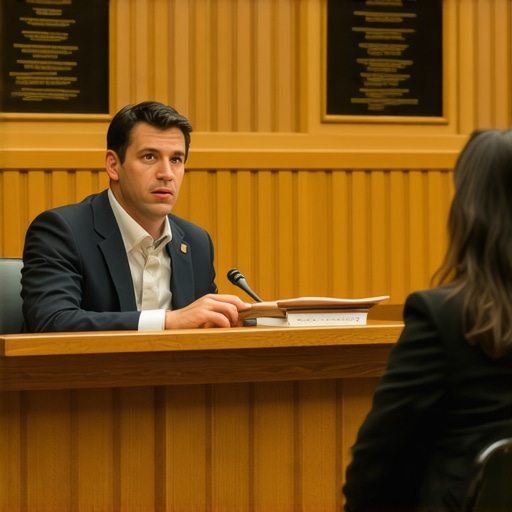
I smell like strong black coffee and the exhaust of a late night spent deconstructing a three hundred page discovery file. Your case is failing. You do not know it yet because your advocate is too busy billing you for the privilege of being terrified. You think your divorce lawyer is a shark because they yell at the opposing counsel during a status conference. In reality, they are a scavenger feeding on your anxiety. They use the threat of a courtroom to drive you toward a settlement that leaves you destitute while they walk away with a paid retainer and a clean file.
The psychological tax of a manufactured crisis
A divorce lawyer often uses the legal process to create a sense of impending doom that forces a settlement. By emphasizing the uncertainty of the court and the costs of litigation, they ensure the client chooses the path of least resistance. This legal strategy prioritizes closing the file over the financial health of the client. I watched a client lose their entire claim in the first ten minutes of a deposition because they ignored one simple rule about silence. They felt the need to fill the void. The opposing counsel waited. My client spoke. Three sentences later, the valuation of their marital business plummeted by four hundred thousand dollars. This is the reality of the legal system. It is a game of high stakes where the person who speaks first usually loses the most. If you want to get a divorce without losing your soul, you must understand the mechanics of the litigation process. Your attorney should be your shield, not the person pushing you into a corner. When they start talking about how a judge might take everything you own, they are not preparing you for trial. They are preparing you to give up.
The mechanics of the settlement trap
A favorable settlement requires a legal advocate who is willing to litigate the case to its logical conclusion. When a divorce attorney focuses on the risks of trial rather than the merits of the case, they are telegraphing weakness to the opposing party. This approach reduces the negotiation leverage and results in a lopsided agreement. Consider the discovery process. This is where the war is won or lost. If your lawyer is not aggressively pursuing interrogatories and requests for production, they are leaving money on the table. They might tell you that discovery is too expensive. This is a lie told to avoid the heavy lifting of document review. They want you to sign a stipulated agreement because it is the most profitable outcome for the firm. They get their fee with zero risk of a verdict that could be appealed.
“Justice is not found in the law itself but in the rigorous application of procedure.” – Common Law Maxim
The procedure is your only protection. If your counsel is skipping steps, they are not saving you money. They are selling you out.
Tactical silence during the discovery phase
The discovery phase of a divorce is a systematic search for hidden assets and financial discrepancies. A Divorce attorney must use subpoenas and depositions to build a factual record that can survive cross examination. Without this evidence, any settlement offer is based on incomplete data. I have seen lawyers ignore the Rule 26 disclosures because they wanted to maintain a friendly relationship with the opposing counsel. They call it professional courtesy. I call it legal malpractice. You are paying for an adversarial advocate, not a mediator. The statutory requirements for asset disclosure are not suggestions. They are the foundation of the case. When your attorney tells you to take the first offer because the judge is having a bad week, you are being manipulated. The court does not operate on the mood of the judge. It operates on the weight of the evidence. If the evidence is not there, it is because your lawyer did not find it. They are scaring you because they are unprepared. They are avoiding trial because they do not know how to win one.
The math of a predatory settlement offer
The financial impact of a divorce settlement is often hidden in the fine print of tax implications and asset valuation. A competent divorce lawyer will analyze the long term consequences of alimony payments and property division. If your attorney is pushing for a quick resolution, they are likely ignoring these complex variables. They want the retainer to clear so they can move to the next client. This is the bleed of litigation. You are paying for a service that is actively working against your interests. Every motion to dismiss and every objection to testimony has a strategic purpose. If your legal representative cannot explain that purpose in plain English, they are bluffing. They use legal jargon to hide their lack of preparation. They use fear to hide their lack of courage.
“The lawyer’s first duty is to the administration of justice, but the primary duty is to the client’s cause.” – ABA Model Rules of Professional Conduct
If the cause is being sacrificed for a settlement, the lawyer has failed. You should look at the billing statements. If you see thousands of dollars for inter office conferences and file review but zero motions filed, you are being milked. The threat of trial is the only thing that moves the needle in a negotiation. If the other side knows your lawyer is afraid of the courtroom, the offer will reflect that knowledge.
The ghost in the settlement conference
A settlement conference is a high pressure environment designed to force a compromise. A skilled divorce attorney uses this leverage to extract concessions from the opposing party. A scared lawyer uses it to pressure their own client into a disadvantageous deal. You will see it in their body language. They will stop looking you in the eye. They will start talking about the costs of the next phase. They will mention a case they lost recently with similar facts. This is psychological warfare directed at you. They want to get a divorce over with because they have reached their limit of competence. The trial is a territory they do not want to defend. They would rather you take a thirty percent loss now than risk a verdict that requires real work. You must demand a breakdown of the best case scenario versus the worst case scenario. If the settlement they are recommending is closer to the worst case, you have your answer. They are not protecting you. They are protecting their schedule. You are the investor in this litigation. If the ROI is negative, you need a new strategist. The law is a tool. If your lawyer does not know how to swing the hammer, you are just the nail.
Comments are closed.