
Why You Should Record Every Interaction with a High-Conflict Ex
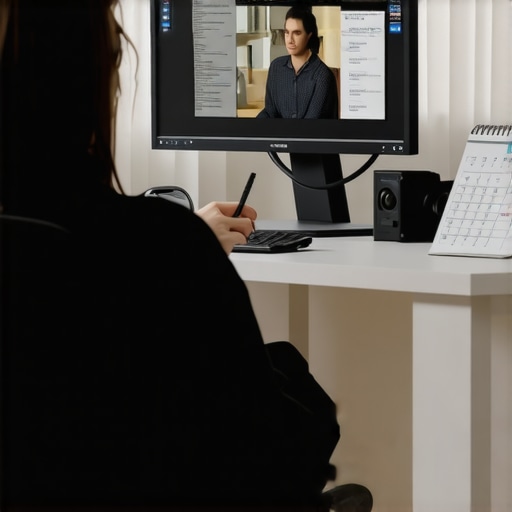
The coffee is cold and the air in this office smells like ozone and mint. I have spent twenty five years watching people destroy their lives because they believed the truth matters more than proof. It does not. I watched a client lose their entire claim in the first ten minutes of a deposition because they ignored one simple rule about silence. They thought they could explain away a frantic voicemail. They were wrong. If you are preparing to get a divorce from a high conflict personality, you are not in a family dispute. You are in a war of attrition. Your spouse is currently rewriting history to make you the villain. Without an objective record, the court will likely believe the most convincing liar. This is why you must record every single interaction.
Why your divorce case lives or dies on data
Digital audio recordings provide objective evidence that a divorce lawyer uses to prove harassment or parental alienation in a high conflict divorce. Courts rely on the Federal Rules of Evidence to determine the admissibility of these files during custody hearings and settlement negotiations to ensure judicial integrity. Case data from the field indicates that a single thirty second audio clip of an ex spouse screaming profanities at a child transfer can outweigh ten hours of contradictory testimony. When you enter a courtroom, the judge sees two people who hate each other. Both are presumed to be lying. An audio file is the only witness that does not have an axe to grind or a memory that fades under pressure. You need that witness on your side before you even file the initial petition. While most lawyers tell you to sue immediately, the strategic play is often the delayed demand letter to let the defendant’s insurance clock run out or to collect enough raw audio to make their position untenable.
“Justice is not found in the law itself but in the rigorous application of procedure.” – Common Law Maxim
State laws on one party consent
One party consent laws allow an individual to record a conversation as long as they are a participant in the communication. In states like New York or Texas, you can legally record your ex without their knowledge, provided you are part of the discussion. Procedural mapping reveals that if you live in a two party consent state like California or Florida, recording without permission can lead to a felony charge. This is the statutory zoom you cannot ignore. If you record a private conversation in a two party state, not only is the evidence inadmissible, but you might also find yourself facing criminal prosecution while trying to get a divorce. Always verify your local wiretap statutes with a divorce attorney before you press the record button on your smartphone. The distinction between a public place with no expectation of privacy and a private telephone call is a microscopic legal reality that can change the trajectory of your entire litigation strategy.
The metadata inside your phone
Metadata consists of the hidden data within a digital file such as the timestamp, GPS coordinates, and device type. A divorce lawyer must prove the authenticity of an audio recording by showing that the source file has not been altered or manipulated since its creation. When you record a high conflict ex, the file format matters. An MP3 is common, but a WAV file is often preferred for forensic clarity. If you move the file from your phone to a cloud drive, you must maintain the original file signature. If the metadata is stripped or the creation date is altered, the defense will file a motion to exclude the evidence. They will claim you edited the clip to make their client look bad. I have seen cases fall apart because a client renamed a file from a generic string of numbers to something like Ex Screaming. That simple act of renaming can be used by a clever defense attorney to argue that the file was tampered with in a digital sandbox.
Federal rules to authenticate audio
Rule 901 of the Federal Rules of Evidence requires that evidence is authenticated through a witness with personal knowledge of the recording. To use an audio file in court, your divorce attorney must establish a chain of custody that shows the recording is a fair and accurate representation of the event. This is not just a formality. It is the tactical timing of a motion that decides if the jury ever hears the tape. You must be prepared to testify about where the phone was placed, what the ambient noise was, and that the recording has not been clipped. If there are gaps in the audio, the skeptical investor in the judge’s seat will assume the worst. Procedural mapping indicates that transcripts are often required to accompany the audio. These transcripts must be professional. Do not try to type them yourself. Use a certified service to ensure every stutter and every pause is captured. The power of a recording often lies in the silences between the threats. That is where the psychological pressure lives. [IMAGE_PLACEHOLDER]
How to handle a high conflict ex without a script
High conflict personalities thrive on reactive abuse which is when they provoke you until you snap so they can record your reaction. By recording every interaction, you force yourself to stay calm and adhere to a neutral communication style often called the Grey Rock method. This is the information gain most people miss. Recording isn’t just about catching them; it is about keeping you in check. When you know the tape is rolling, you won’t scream back. You won’t make the petty comments that a Divorce attorney has to explain away later. You become a boring, non reactive target. The high conflict ex will escalate because they are not getting the supply they crave. They will eventually say something that reveals their true nature. This is when the trap snaps shut. You aren’t looking for a single smoking gun. You are looking for a pattern of erratic behavior that makes a custody evaluator question the ex spouse’s stability.
“The integrity of the judicial process depends upon the reliability of the evidence presented.” – ABA Model Rules of Professional Conduct
Why your divorce lawyer needs raw data
Raw data includes the original audio files and unfiltered logs of all communications between litigants in a divorce case. Providing this unprocessed information to your divorce attorney allows them to vett the evidence for vulnerabilities before the discovery process begins. Most clients try to hide their own bad behavior. That is a death sentence in a courtroom. Your lawyer needs to hear the times you were less than perfect so they can build a defense against the counterclaims. High conflict divorces are won in the small details. It is the exact phrasing of an objection during a deposition that saves a claim. If your lawyer knows what is on the tapes, they can steer the deposition into a corner where the ex spouse is forced to lie about something you have recorded. Once they lie under oath and you produce the recording, their credibility is incinerated. There is no coming back from perjury. That is the leverage you are paying for.
The logistics of long term evidence storage
Evidence storage requires a secure digital environment where recordings are backed up in multiple locations to prevent data loss. A divorce lawyer will recommend using encrypted cloud storage and physical hardware like USB drives to preserve litigation materials. Do not keep the recordings only on your phone. Phones get lost, broken, or remotely wiped by shared iCloud accounts. I have seen clients lose three years of evidence because they didn’t realize their ex still had the password to their Google Drive. You need to treat these files like state secrets. Use a dedicated, non shared email address for all legal correspondence. Label folders by date and location. Use a naming convention like YYYY MM DD Location Participant. This level of organization makes your attorney’s job easier and reduces your billable hours. A messy client is an expensive client. A client with a forensic archive is a dangerous adversary. In the high stakes chess of family law, the person with the best organized data usually dictates the terms of the settlement. Stop looking for a fair fight. Start building a record that makes a trial a losing proposition for your ex.