
The Reason You Must Inventory Your Safe Deposit Box Today
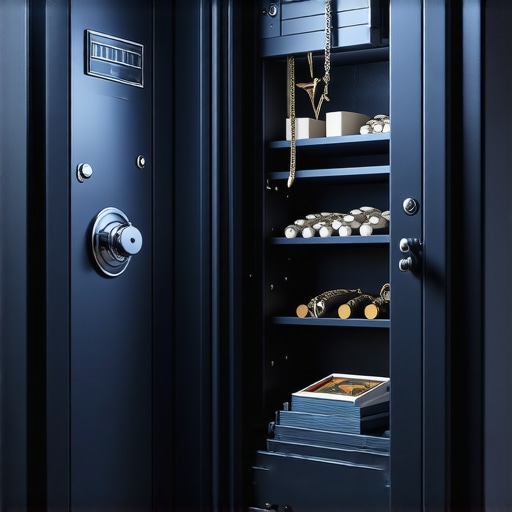
The hidden war inside the bank vault
I recently spent 14 hours deconstructing a contract that was designed to be unreadable, only to find the one clause that changed everything for a client facing a high-asset divorce. We were looking for a trail of missing family heirlooms. The bank lease agreement specifically stated that the institution held zero liability for the contents, effectively making the box a black hole for evidence unless we acted with surgical precision. My client had assumed the bank kept a detailed log of what went in and out. They do not. They only log who entered the room. This realization is where most legal strategies fail. You think the bank is your witness. The bank is merely a landlord for a metal drawer. If you are entering a divorce, that drawer is either your greatest shield or your most expensive liability.
The ghost in the safe deposit vault
Inventorying your safe deposit box today ensures that marital assets are documented before a spouse can surreptitiously remove items. This procedural step creates a baseline for property division and prevents the disappearance of untraceable jewelry, cash, or documents that often vanish once a divorce filing becomes imminent or known. Litigation is won in the discovery phase, not the trial phase. When a divorce lawyer asks about assets, the first thing a deceptive spouse does is head to the bank. They don’t go to the ATM where there are cameras and digital trails. They go to the privacy of the vault. I have seen million dollar coin collections replaced with worthless replicas. I have seen original deeds to offshore properties turned into dust. You must treat the safe deposit box as a crime scene that hasn’t happened yet. The brutal truth is that once an item is gone from a box, proving it was ever there is a forensic nightmare that costs more in legal fees than the item is usually worth. You need a verified inventory, a date-stamped video, and a witness who is not your sibling or your best friend. You need a professional record that holds up when the defense tries to claim the box was always empty.
What the defense doesn’t want you to ask
Specific questions regarding the access logs and the duration of stay within the vault area can reveal patterns of asset dissipation. If a spouse visits the bank three times in the week leading up to a filing, the inference of asset moving becomes a powerful legal lever. Most people think that just having the key is enough. It is not. You need to understand the bank’s internal procedures for entry. Every time a key is turned, a signature card is generated. This signature card is the heartbeat of your case. A divorce attorney worth their salt will subpoena these cards immediately. We look for the duration of the visit. Did they stay for two minutes or twenty? A twenty-minute visit suggests a meticulous removal of items. A two-minute visit suggests a quick retrieval of a document. These are the details that build a narrative of bad faith. When we get to the deposition, I want to know exactly why they were there at 9 AM on a Tuesday when they should have been at work. If you haven’t inventoried the box, you can’t prove what they took. You are just a person complaining about missing ghosts.
“Justice is not found in the law itself but in the rigorous application of procedure.” – Common Law Maxim
The legal anatomy of the box inventory
A formal inventory process involves a third party witness and a comprehensive photographic record of every single item contained within the vault. This creates an evidentiary standard that shifts the burden of proof to the other party should any items go missing during the subsequent litigation process. Procedural zooming reveals that the bank will not help you perform this inventory. They will not sign your list. They will not verify your photos. You must bring your own professional or use a mobile notary who is willing to act as an observer. We document the condition of the box itself. Are there scratches around the keyhole? This suggests forced entry or the use of a non-standard key. We document the envelopes. Are they sealed? Are the seals broken? In the world of high-stakes divorce, the smallest tear in a paper flap can be the difference between a successful claim of asset hiding and a dismissed motion. This is not about being paranoid; it is about being prepared for the inevitable moment when the other side lies under oath. A divorce lawyer who tells you to just “trust the process” is a lawyer who is ready to lose your case. You trust the evidence. You trust the inventory.
Why your contract is already broken
The lease agreement you signed with the bank for your safe deposit box likely contains broad exculpatory clauses that protect the bank from any liability regarding the contents or the conduct of co-renters. This means your spouse has legal access to the box unless a court order says otherwise. Many clients believe that because they were the primary person who opened the box, the bank will protect them. They are wrong. If it is a joint box, the bank is legally obligated to let either party in. I have seen spouses race to the bank at 8:59 AM to be the first one in when the doors open. If you don’t have a temporary restraining order or a status quo order in place, the bank will stand by and watch your net worth walk out the door in a briefcase. This is the reality of the system. It is cold, it is mechanical, and it does not care about your feelings. The strategic play is to inventory the box, then immediately file a motion to freeze the asset or require dual-key access. You don’t wait for the settlemet conference. You act while the evidence is still physically present.
“The right of the people to be secure in their persons, houses, papers, and effects, against unreasonable searches and seizures, shall not be violated.” – U.S. Constitution, Fourth Amendment (Applied in civil discovery contexts)
The tactical timing of the demand letter
Sending a formal demand for an inventory or a freeze on a safe deposit box should be timed to coincide with the service of the divorce petition to maximize psychological and legal pressure. This prevents the defendant from having a window of opportunity to clear the box before the court intervenes. While most lawyers tell you to sue immediately, the strategic play is often the delayed demand letter to let the defendant’s insurance clock run out or to catch them in a moment of overconfidence. We look for the slip-up. We look for the moment they think they have won. If they enter the box after the demand letter is sent but before the court order is signed, they have demonstrated intent. Intent is what turns a simple property dispute into a claim for attorney fees and sanctions. In the courtroom, perception is reality. If I can show the judge that the defendant ran to the bank the moment they were served, I have already won half the battle. It shows a consciousness of guilt. It shows that there is something worth hiding. A safe deposit box is never just a box; it is a repository of secrets. Your job is to make sure those secrets are counted before they are buried.
The forensic psychology of the vault
Understanding the motivation behind asset concealment allows a divorce attorney to predict where a spouse will hide property beyond the bank vault. The safe deposit box is often just the first step in a larger pattern of financial obfuscation that requires forensic accounting to unravel. People are creatures of habit. If they use a safe deposit box at their local branch, they likely have others. We look for monthly fees on bank statements that don’t match the known box. We look for travel records to jurisdictions known for privacy. The inventory you take today is the baseline for the entire financial investigation. If the inventory shows missing cash that was known to exist, we now have the “hook” we need to ask the court for a full forensic audit of the business. We look for the bleed. Where is the money going? The box is the starting point. It is the physical manifestation of the hidden. If you ignore the box, you are ignoring the most honest piece of evidence in the entire case. The documents don’t lie. The empty velvet trays don’t lie. They tell the story of a marriage ending in theft. Don’t be the victim of that story. Be the one who took the inventory.