
How to Protect Your Identity When Moving Out
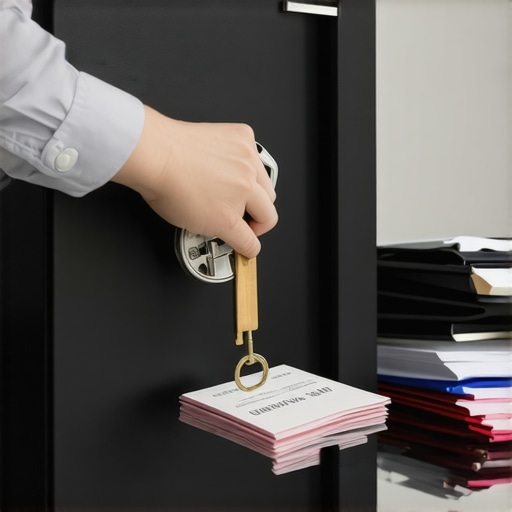
The air in my office usually smells like ozone and mint, the byproduct of high-end air purifiers and a relentless consumption of breath mints used to mask the scent of cold coffee. I have spent twenty-five years watching people lose their lives, their assets, and their sanity in the courtroom. I do not view a divorce as a simple legal dissolution; I view it as a tactical withdrawal from a compromised position. When you decide to get a divorce, the most dangerous period is the window of time between the decision and the physical move. Most people focus on the furniture. I focus on the forensic trail of your identity. If you leave your digital or physical history behind, a divorce lawyer for the opposing side will turn it into a weapon of mass destruction. Protection is not about being paranoid; it is about being professionally prepared for a legal war where information is the primary currency.
“Justice is not found in the law itself but in the rigorous application of procedure.” – Common Law Maxim
I watched a client lose their entire claim in the first ten minutes of a deposition because they ignored one simple rule about silence. They had moved out of the marital home but left a tablet synced to their cloud storage. The opposing divorce attorney had spent weeks harvesting every private message, every search query, and every location data point. During the deposition, the attorney didn’t lead with the evidence. They let my client lie about their whereabouts. Then, they sat in silence. My client, desperate to fill the void, began to ramble, digging a hole so deep that no amount of legal maneuvering could pull them out. This is the reality of identity exposure. If you fail to protect your identity when moving out, you are essentially handing the opposition a map to your psychological and financial destruction.
The anatomy of a privacy failure
Protecting your identity when moving out requires a complete digital audit and physical sweep of all shared residential assets. You must revoke access to shared cloud accounts, financial portals, and smart home devices. An experienced divorce lawyer knows that identity theft within a marriage is often statistically ignored but legally devastating during asset division. Most people assume that their spouse will respect their privacy once the relationship ends. This is a fatal assumption. In the heat of litigation, the person you once loved becomes a forensic investigator with intimate knowledge of your passwords and habits. You must treat your move as a security breach. You are not just moving boxes; you are extracting your life from a network of surveillance that you helped build.
Securing the physical perimeter of your data
Physical identity protection starts with the immediate destruction of sensitive documents that are not being moved to your new secure location. You must secure all passports, birth certificates, and social security cards before the divorce proceedings begin. Use a cross-cut shredder for any discarded financial statements or legal correspondence to prevent dumpster diving by the opposition. I have seen cases where the entire strategy of the defense was built on a crumpled-up draft of a financial affidavit found in a kitchen trash can. Do not leave your old hard drives, even if you think they are wiped. If you are leaving a desktop computer behind, remove the physical drive. The data on that platter belongs to the marriage until a judge says otherwise, but its accessibility is a choice you make before you walk out the door.
Digital scorched earth policies for the departing spouse
Digital identity security during a divorce demands two-factor authentication on every private account using a non-shared device. You must change every password and log out of all sessions on shared computers and tablets. A divorce attorney will look for cloud-synced data that reveals current location or spending habits. While most lawyers tell you to sue immediately, the strategic play is often the delayed demand letter to let the defendant’s insurance clock run out or to observe their reaction to your sudden digital silence. You need to create a vacuum of information. This means changing your Netflix password, your Amazon account, and especially your Apple ID or Google account. If your phone is still on a family plan, you are being tracked. Every GPS coordinate is being logged. Buy a burner phone or get your own individual line before you move. Do not wait for the court order.
“A lawyer’s duty of confidentiality extends to the technological safeguards employed to protect client information from unauthorized access.” – ABA Legal Ethics Commentary
The tactical advantage of a private mailing address
Managing your mail during a divorce involves opening a private mailbox at a commercial shipping center rather than using a USPS PO Box. This provides a physical street address which is often required for legal service while keeping your residential location hidden from an aggressive spouse. Do not use the standard USPS change of address form immediately. That form is a public record that can be accessed by various databases. Instead, manually update your address with your bank, your employer, and your divorce lawyer. Information gain in litigation often comes from a contrarian data point. By avoiding the standard forwarding service, you prevent your spouse from seeing that little yellow sticker on a redirected letter that reveals your new zip code. Control the flow of paper, and you control the flow of information.
Financial identity safeguards in high-conflict litigation
Financial identity protection requires freezing your credit with Equifax, Experian, and TransUnion to prevent unauthorized accounts from being opened in your name. You must monitor joint credit card activity for unusual charges that may indicate asset dissipation or identity tampering. If you are planning to get a divorce, you need to establish individual credit in your own name before the legal freeze of assets occurs. I have seen spouses take out massive loans in the other’s name just to tank their credit score before a mortgage application for a new home. This is not just spite; it is a calculated move to limit your post-divorce mobility. By freezing your credit, you take that weapon off the table. It is a procedural move that requires five minutes of effort but saves years of credit repair.
What the defense seeks in your discarded records
Defense attorneys search for inconsistencies in your records that can impeach your credibility during cross-examination. They want old tax returns, medical records, and deleted social media posts that contradict your court filings. Protecting your identity means auditing your public persona and scrubbing your digital footprint before you move out. If you leave your old journals or letters in the attic, they will be read. If you leave your browser history on the family PC, it will be analyzed. The microscopic reality of a case is often decided by a single deposition objection regarding how a piece of evidence was obtained. If you leave it in the house you abandoned, it is generally considered fair game. You must be clinical. You must be cold. You must remove every trace of your future plans from the environment you are leaving behind. The goal is to move into your new life as a ghost, leaving nothing behind but a clean, empty room and a very frustrated opposing counsel.