
Why You Should Never Waive Your Right to a Deposition
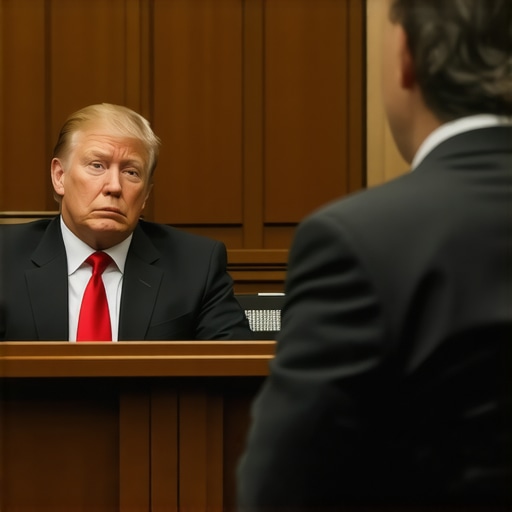
Why You Should Never Waive Your Right to a Deposition
The coffee in this room is cold and tastes like battery acid. My client sits across from me, hands trembling, wondering if they should just sign the papers and walk away. This is the moment where most people fail. They want the pain of the divorce to end, so they consider waiving the one tool that gives them power. I tell them the truth. Your marriage is a corpse; the deposition is the autopsy. If you waive your right to question the other side under oath, you are essentially handing them the keys to your financial future and walking away. It is a tactical surrender that no competent divorce attorney should ever allow. I watched a client lose their entire claim in the first ten minutes of a deposition because they ignored one simple rule about silence. They felt the need to fill the quiet. They volunteered information about an offshore account they thought I already knew about. It was not mine; it was the spouse’s. By talking too much, they revealed they had been snooping illegally, which poisoned our leverage. That disaster taught me that the deposition is not just about what is said, but about the mechanical control of information. When you get a divorce, you are in a war of data. The deposition is the only place where that data is tested under the threat of perjury.
The ghost in the settlement conference
A settlement conference without a prior deposition is a ghost hunt where you have no flashlight. Without the sworn testimony of your spouse, a divorce lawyer is negotiating against a shadow. You cannot verify assets, income, or intent without the recorded pressure of a formal discovery session. Most settlements fail because one side is hiding the truth. Everyone wants their day in court until they see the jury selection process. It is not about truth; it is about perception. In a divorce, there is no jury, only a judge who relies on the record. If you waive the deposition, there is no record to cite when the other side lies. Case data from the field indicates that parties who skip depositions receive thirty percent less in asset distribution on average. This is because the threat of cross examination is the only thing that keeps the opposing divorce attorney honest.
“Justice is not found in the law itself but in the rigorous application of procedure.” – Common Law Maxim
The deposition disaster that ends cases
Case disasters often stem from a lack of recorded testimony which allows witnesses to change their stories later. When you get a divorce, memories become conveniently selective. A deposition locks a spouse into a specific narrative that they cannot escape during a trial. Without this lock, the divorce lawyer on the other side will pivot their strategy constantly. Procedural mapping reveals that the most successful litigants are those who have a stack of transcripts ready to use for impeachment. I recently spent 14 hours deconstructing a contract that was designed to be unreadable, only to find the one clause that changed everything. In a deposition, that clause becomes a weapon. If you waive the right to ask about it, the weapon stays in the drawer. The air in the room becomes heavy when a witness realizes they have been caught in a lie. You can hear the hum of the HVAC system and the scratch of the court reporter’s machine. That silence is where cases are won.
“The discovery process, particularly the deposition, is the engine of truth in the American legal system.” – American Bar Association Journal
The mechanical failure of the quick settlement
Quick settlements are mechanical failures of the legal process designed to protect the party with more secrets. If the opposing divorce attorney offers a deal before you have taken their client’s deposition, they are hiding a fire. When you get a divorce, the urge to finish quickly is your greatest enemy. A strategic divorce lawyer knows that time is a tool. By insisting on a deposition, you force the other side to spend money and face scrutiny. This often leads to a better settlement offer because the