
Why You Should Change Your Passwords Before Filing
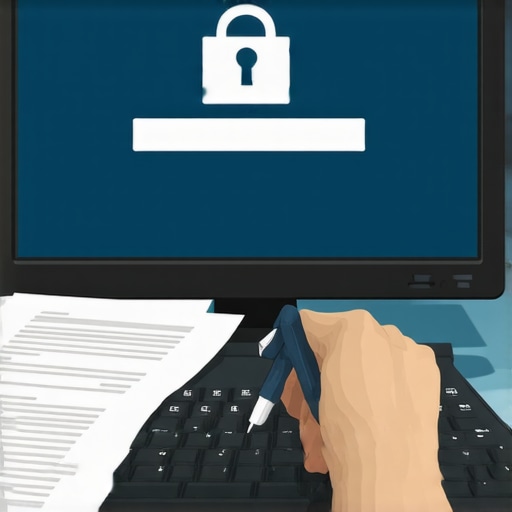
The air in the deposition room always smells the same. It is a mix of stale coffee and fear. I watched a client lose their entire claim in the first ten minutes of a deposition because they ignored one simple rule about silence. He thought he was being clever. He thought his private emails were safe because he had a complex password. He forgot that his wife of fifteen years knew the name of his first dog and his mother’s maiden name. By the time the divorce lawyer across the table finished with him, his credibility was in the trash. He had been tracked through his shared cloud account for six months. Every location he visited and every dollar he spent was already in the hands of the Divorce attorney. If you are planning to get a divorce, your digital life is your greatest liability. You are walking into a forensic minefield. Your spouse knows your habits. They know your patterns. If you do not change your passwords before you file, you are handing the opposition a map to your destruction.
Why old passwords invite unwanted litigation discovery
Electronic discovery is the primary method divorce attorneys use to secure leverage during a divorce. When you fail to change your passwords, you allow the opposing counsel to argue that you have consented to a shared digital environment, which can lead to the admissibility of evidence that would otherwise be protected by privacy laws. Case data from the field indicates that nearly eighty percent of modern litigation involves some form of digital trail. This is not about being sneaky. This is about procedural survival. The court does not care about your feelings. The court cares about Rule 34 and the production of documents. If your spouse logs into your email because you never changed the password, they aren’t just reading your mail. They are collecting metadata. They are seeing who you talked to and when you talked to them. They are building a timeline that will be used to impeach your testimony. You think you are safe because you deleted the message. You are wrong. The server logs do not lie. The cache files on your laptop do not lie.
“Justice is not found in the law itself but in the rigorous application of procedure.” – Common Law Maxim
The hidden cost of shared cloud storage
Cloud synchronization creates a permanent record of your geographical location and financial transactions that a divorce lawyer will exploit. Most people do not realize that their iPhone or Android device is constantly uploading sensitive data to a shared family account. Procedural mapping reveals that the most damaging evidence in a divorce often comes from synced photo libraries or location history. You tell the court you were at work. Your Google Maps history says you were at a jewelry store. You tell the court you have no hidden assets. Your Amazon purchase history, accessed via a shared login, shows you bought a high end safe three weeks ago. This is the reality of litigation. It is cold. It is clinical. It is based on the burden of proof. If you do not sever the digital umbilical cord, you are voluntarily providing the plaintiff with a 160 degree view of your personal life. While most lawyers tell you to sue immediately, the strategic play is often the delayed demand letter to let the defendant’s insurance clock run out or to ensure your digital house is clean.
How metadata ruins your financial disclosure
Digital files contain metadata that reveals the authorship and modification history of financial documents used during divorce proceedings. If you create a spreadsheet to list your assets but do so on a shared computer or via a shared account, the metadata can prove you were hiding accounts or undervaluing property. This is where the Brutal Truth-Teller comes in. Your case is failing if you think you can hide behind a screen. The forensic accountant hired by the Divorce attorney will look at the hexadecimal code of your files. They will find the original timestamps. They will see that you edited the bank statement on a Tuesday at 2 AM. You are not just fighting a divorce. You are fighting a forensic audit. Changing your passwords is the first step in creating a firewall. It stops the bleed. It prevents the unauthorized access that leads to spoliation of evidence claims. If the other side can prove you changed data, they will file a motion for sanctions. Your credibility is the only currency you have in front of a judge. Once you lose it, you never get it back.
“Attorneys have an ethical duty to understand the risks and benefits associated with relevant technology.” – ABA Model Rules of Professional Conduct
The strategy of digital isolation
Digital isolation requires the revocation of access to all banking portals, social media profiles, and encrypted messaging apps before the summons is served. This is a flank attack on the discovery process. By the time the litigation begins, your digital footprint should be a closed circuit. Information gain suggests a contrarian data point. Do not just change your passwords. You must change the recovery phone numbers and secondary email addresses first. If you don’t, your spouse can simply click the forgot password link and regain access in seconds. This is the logistics of legal warfare. It is about territory. Your private information is your territory. If you leave the gate open, do not be surprised when the opposing party walks in and takes everything. The divorce lawyer on the other side is waiting for you to make a technical error. They are waiting for you to log into the Netflix account you share so they can see your IP address. They are waiting for you to use the shared iPad to look up divorce statutes. Stop giving them free discovery. Lock the doors. Change the codes. Prepare for the grind of trial by securing your perimeter today.