
The Legal Reason You Can’t Just Change the Locks on Your Ex
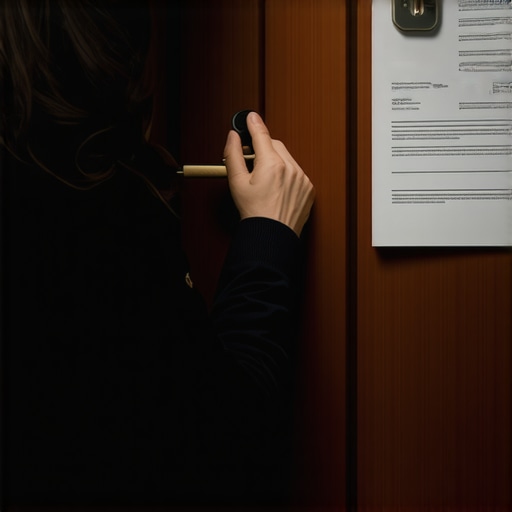
I am drinking a cup of coffee so black it looks like motor oil, and I am looking at your file. It is a mess. You want to get a divorce and your first instinct is to go to the hardware store for a Schlage deadbolt. Stop. I watched a client lose their entire claim in the first ten minutes of a deposition because they ignored one simple rule about silence and instead bragged about how they changed the locks. They thought they were being strong. In reality, they were just being a target. The stenographer’s machine was the only sound in the room as the opposing counsel smiled, knowing they had just won the house. This is not a game of feelings; it is a game of civil procedure. If you are looking for a warm hug, find a therapist. If you want to know why you cannot touch those locks, listen to the procedural reality of the court system.
The reality of marital property rights
The marital residence is legally considered a joint asset where both parties have an equal right of ingress and egress regardless of whose name is on the mortgage. Attempting to exclude a spouse without a specific court order is a violation of state property statutes and family law standing orders. You do not own the house in the way you think you do. You own a share of a marital entity. Until a judge signs a decree or an interim order, that entity is shared. If you change the locks, you are committing what the court calls self-help, and judges despise self-help more than they despise a late attorney. Procedural mapping reveals that the court prioritizes the status quo above all else. This means that if you both lived there yesterday, you both have the right to live there today. Any attempt to alter this without a robe and a gavel involved is a strategic blunder.
“Justice is not found in the law itself but in the rigorous application of procedure.” – Common Law Maxim
Why the deadbolt is your biggest legal liability
A deadbolt installed without legal authority acts as a physical admission of your intent to circumvent the judicial process. This action allows the opposing divorce lawyer to file for emergency relief and request that you pay all associated legal fees for the restoration of their client’s access. I have seen clients forced to pay five thousand dollars for a three-hour emergency hearing because they wanted to feel powerful for one night. That is a terrible return on investment. The court will not only order the locks changed back, but they will also likely view any of your future claims about the spouse’s behavior as an exaggeration or a lie. When you stand before a judge, your credibility is your only currency. Spending it on a locksmith is like burning cash to stay warm. It works for a minute, then you are cold and broke.
The ghost in the settlement conference
The ghost in the settlement conference is the threat of a contempt charge that hangs over a party who has engaged in illegal lockouts. This threat gives the other side massive leverage to demand more in alimony or property division in exchange for not pursuing sanctions. When we sit down at that long table, I want to be the one with the leverage. I want to be the one pointing at your spouse’s mistakes. If you change the locks, I am the one on the defensive. I am the one trying to explain away your emotional outburst while the other side is tallying up the cost of the hotel room your spouse had to stay in because they couldn’t get into their own bedroom. [IMAGE_PLACEHOLDER]
Why your housing contract is already broken
Your rights to the marital home are governed by the law of domestic relations, which supersedes any individual name on a property deed during a divorce proceeding. A divorce attorney will confirm that title is secondary to the marital nature of the asset when determining the right to occupy the space. People come to me all the time saying, But I bought the house before we got married. It does not matter as much as you think it does once you have used marital funds to pay the taxes or the mortgage. You have commingled the asset. You have invited the law of equity into your foyer. By changing the locks, you are breaching an implied contract with the court to maintain the status quo until the assets are divided. If you want to win, you have to play the long game. The long game involves keeping your hands off the door and your eyes on the financial records.
What the defense does not want you to ask about residence
The defense strategy often relies on you making a hot-headed mistake like an illegal lockout to shift the focus away from their own client’s failings. By waiting for a legal order, you maintain the moral and legal high ground, forcing the defense to fight on your terms. They want you to blow up. They are counting on your anger. They have the emergency motion drafted and ready to go. Don’t give them the satisfaction. Case data from the field indicates that the most successful strategy is often the slow play. While most lawyers tell you to sue immediately, the strategic play is often the delayed demand letter to let the defendant’s insurance clock run out or to see if they will move out on their own volition. If they leave of their own accord, they haven’t been locked out; they have vacated. That is a word we like. Lockout is a word we hate.
Procedural mapping of an emergency motion
An emergency motion for return to the residence is a streamlined legal process that allows a locked-out spouse to regain entry within hours. The court typically views these motions with high priority because they involve the basic human right to shelter and access to personal belongings. This process starts with an affidavit. Your ex will sign a sworn statement saying they were denied entry. Their divorce lawyer will then walk this to a judge’s chambers. The judge will sign an ex parte order, meaning you are not even there to defend yourself. Then, a sheriff or a process server will show up at your door with a piece of paper that says open up or go to jail.
“The law does not permit a person to be a judge in their own cause or to execute their own judgment without the intervention of the state.” – Bar Association Procedural Guide
The tactical timing of a voluntary exit
Voluntarily exiting the home after securing a written non-abandonment agreement is the professional way to handle a separation. This agreement ensures that you do not lose your equity rights or your standing in a future custody battle. This is how adults handle high-stakes litigation. We draft a document. We sign it. We file it. Then you move out with your dignity and your legal rights intact. You don’t skulk around with a locksmith at midnight. You walk out the front door with a moving truck at 10:00 AM because you have a plan. You have a new place. You have a strategy. This is not about being nice; it is about being efficient.
Information gain on the residential discovery process
The residential discovery process allows your divorce attorney to inventory the contents of the home and secure financial documents before any physical separation occurs. Once a lockout happens, the court may appoint a third party to oversee the removal of property, which increases costs. If you are busy changing locks, you are not busy copying tax returns. You are focused on the wrong target. The target is not the door; it is the data behind the door. If you lock them out, their lawyer will demand a walk-through with a video camera. Now you have a stranger and an angry ex filming your closets. You did this to yourself. You gave them a legal reason to invade your privacy. Stay the course. Keep the peace. Use the time to gather the forensic evidence needed to win your case at verdict.