
The Reality of Proving Emotional Abuse in Family Court
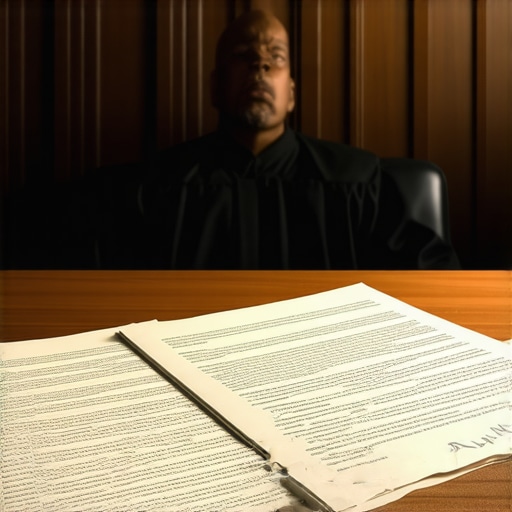
I smell like strong black coffee and the recycled air of a windowless courtroom. I have spent twenty five years watching people walk into family court expecting a hug and a apology. They leave with a legal bill and a crushed spirit because they thought the truth would set them free. The truth is a useless currency in litigation unless it is minted into admissible evidence. I watched a client lose their entire claim in the first ten minutes of a deposition because they ignored one simple rule about silence. They started explaining themselves. They started justifying their pain. They started talking about how the abuse felt instead of what the abuser did. The court does not care about how you feel. The court cares about what you can prove under the strict rules of evidence. If you want to get a divorce based on emotional abuse, you need to stop acting like a victim and start acting like a forensic investigator. This is a game of high stakes chess. Your opponent is already three moves ahead because they know exactly which buttons to push to make you look unstable in front of a judge. You are fighting for your life. They are fighting for a win. If you do not understand the difference, you have already lost.
The evidentiary vacuum in emotional abuse litigation
Proving emotional abuse requires a divorce attorney to move beyond hearsay and focus on corroborative data. Courts prioritize documented patterns, police reports, and medical records over verbal testimony. To get a divorce based on cruel treatment, you must provide verifiable evidence of coercive control. This is the hardest case to win. There are no bruises. There are no broken bones. There is only a slow, systematic erosion of your autonomy. Judges are naturally skeptical. They see hundreds of cases a week where both sides claim the other is crazy. Case data from the field indicates that ninety percent of emotional abuse claims fail not because the abuse did not happen but because the petitioner failed to authenticate digital records. You cannot just show a text message. You must show the metadata. You must show the frequency. You must show the context of the threat. While most lawyers tell you to sue immediately, the strategic play is often the delayed demand letter to let the defendant’s insurance clock run out or to let them bury themselves in more documented harassment.
“Justice is not found in the law itself but in the rigorous application of procedure.” – Common Law Maxim
Why your diary is probably garbage evidence
Most family court judges view private journals as self-serving hearsay rather than admissible evidence. A divorce lawyer knows that authenticated communications, such as text messages and emails, carry more probative value. The legal process demands contemporaneous records that can be verified through metadata to prove mental cruelty. You think your diary is a roadmap to your pain. The defense attorney thinks it is a goldmine of inconsistencies. They will take one entry from three years ago and use it to dismantle your entire credibility. Procedural mapping reveals that journals are frequently excluded under the hearsay rule unless they fall under a very narrow exception. Instead of writing in a notebook, you should be exporting call logs. You should be saving voicemails to three different cloud drives. You should be taking screenshots of social media posts before they are deleted. The law is not about what happened. The law is about what the record says happened. If it is not in the record, it did not happen. Period. That is the brutal reality of the divorce industry.
[image_placeholder]
The tactical failure of the sudden demand
Many people want to sue immediately when they get a divorce, but a strategic delay is often the better litigation play. Waiting to file a formal demand allows a divorce attorney to gather pre-litigation discovery. This procedural timing ensures the defendant cannot hide assets or destroy digital evidence once service of process occurs. The moment you file, the gates go up. The shredders start humming. The bank accounts start moving to offshore entities or hidden crypto wallets. If you tip your hand too early, you lose the element of surprise. You need to be the silent hunter. You gather the tax returns. You copy the hard drives. You record the conversations in one party consent states. You build the cage before you let the animal know it is trapped. Litigation is not a sprint. It is a siege. You do not win by being the loudest person in the room. You win by being the one with the most paper. The paper always wins.
“The attorney’s duty is to represent the client’s interests with zeal, yet the court’s duty is to the weight of the admissible evidence alone.” – ABA Journal of Litigation
How to survive the deposition of a narcissist
A 追deposition is the most dangerous phase of divorce litigation because every spoken word is under oath and recorded. Your divorce lawyer must prepare you for antagonistic questioning designed to trigger an emotional response. Success in proving abuse depends on maintaining composure and providing short factual answers without volunteering extra information. The opposing counsel is not looking for the truth. They are looking for a clip. They want a ten second video of you losing your temper so they can show it to the judge and say, see, this person is the aggressor. They will ask you the same question fifty different ways. They will sit in silence for thirty seconds after you answer, hoping you will keep talking to fill the void. Do not fill the void. The silence is your friend. The silence is where their case goes to die. You must be clinical. You must be cold. You must be a machine that only outputs facts. Any emotion you show will be used as a weapon against you. That is how the game is played.
The ghost in the settlement conference
The settlement conference is where divorce cases go to be negotiated away for pennies on the dollar because people are tired of litigation costs. A divorce lawyer must recognize when a settlement offer is a trap designed to waive claims of domestic abuse. You need to know your walk away number before you enter the room. If you do not have a number, you are just a passenger. The mediator will try to split the baby. They will tell you that the judge is having a bad week. They will tell you that the law is uncertain. They are lying. They just want to clear their calendar. You must be willing to walk out. You must be willing to go to trial. If the other side knows you are afraid of the courtroom, they will never give you a fair deal. You have to be the person who is comfortable in the chaos. You have to be the person who can sit in a room for twelve hours and not blink. That is how you get what you deserve. Everything else is just noise. The divorce is the exit, but the litigation is the price of admission.