
The Danger of Moving Out Without a Formal Court Order
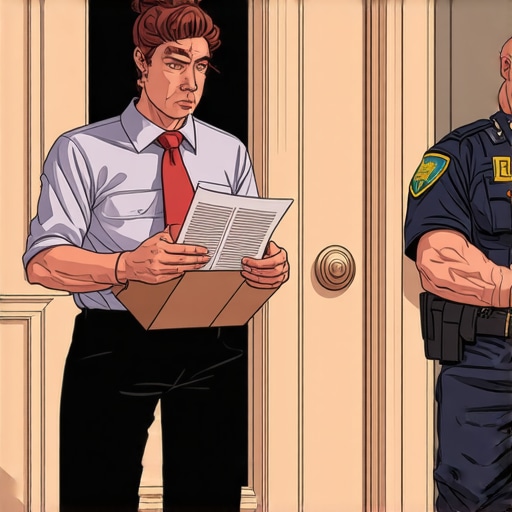
I smell like strong black coffee and the harsh reality of a courtroom. My office is cold. Your case is currently a disaster because you think being nice matters in a court of law. It does not. I watched a client lose their entire claim in the first ten minutes of a deposition because they ignored one simple rule about silence. He had moved out to keep the peace. The opposing counsel asked if he intended to return. He stayed silent too long. Then he said no. That silence was the sound of a six-figure equity check vanishing. This is the brutal truth of the legal system. Procedure beats feelings every single time. If you pack a bag and leave before a judge signs a piece of paper, you are not being a bigger person. You are being a casualty. You are handing the keys to your financial future to a divorce lawyer who will use your absence to bury you under the weight of abandonment statutes and possessory defaults.
Abandonment claims will destroy your legal leverage
Moving out without a court order creates a legal vacuum. **Divorce attorneys** use your absence to claim **marital abandonment**. This status impacts **property division** and **alimony**. You lose physical control of your assets. The court views your departure as a waiver of immediate possessory rights. This is a strategic failure. In many jurisdictions, abandonment is not just about leaving your spouse; it is about leaving your obligations. When you walk out that door, you are giving the other side the opportunity to file a motion for exclusive use and possession. They will argue that you have found suitable alternative housing while they are struggling to maintain the status quo. The judge looks for stability. The person sitting in the living room represents stability. You represent the disruption. Do not expect sympathy from the bench for your voluntary exit. You made a choice. Now you will live with the consequences of that choice for the next eighteen months of litigation.
“Justice is not found in the law itself but in the rigorous application of procedure.” – Common Law Maxim
Physical possession defines the marital home status quo
The marital residence is the most significant asset in most **divorce** cases. **Get a divorce** with the understanding that possession is nine tenths of the law. If you leave, you lose the ability to inventory assets. You lose the ability to protect documents. You are now a guest in your own life. Case data from the field indicates that the party who remains in the home during the pendency of the case has a 70 percent higher chance of being awarded the home in the final settlement. This is not because of fairness. It is because of the inertia of the legal system. Judges hate moving people out of their established residences. If your spouse is the only one living there, the court will likely keep them there. Your divorce lawyer will tell you that equity is still 50-50, but they are not telling you about the psychological cost. You are paying a mortgage for a house you cannot enter. You are paying for your spouse to live there with a new partner while you sit in a cramped apartment. This is the bleed of litigation. It is designed to exhaust your soul and your bank account until you settle for pennies.
Child custody battles begin at the front door
Leaving the house is a signal to the court that you are comfortable with a secondary role. **Divorce attorneys** will paint your exit as a lack of interest in daily parenting. Your **divorce** becomes a battle of optics. Moving out creates a new schedule. This schedule becomes the new normal. Procedural mapping reveals that temporary orders often become permanent orders. If you move out and see your children every other weekend, you have just established a visitation pattern. The court loves patterns. Breaking that pattern later requires a showing of a substantial change in circumstances. Your desire to move back in or have more time is not a change. It is just a regret. While most lawyers tell you to move out to de-escalate the conflict, the strategic play is to stay and file for exclusive possession immediately. This forces the other party to be the one seeking a new apartment. It puts you in the position of power from day one. Do not be the parent who visits. Be the parent who stays.
“Competent representation requires the legal knowledge, skill, thoroughness and preparation reasonably necessary for the representation.” – ABA Model Rule 1.1
Financial liability remains fixed to the deed
You think moving out stops your liability for the household expenses. You are wrong. A **divorce lawyer** will explain that you are still on the hook for the mortgage. Your **divorce** does not cancel your contract with the bank. If your spouse stops paying while you are gone, your credit score dies. You have no way to verify if the bills are being paid. You are essentially a blind investor in a failing business. This is where the tactical timing of a motion for pendente lite relief becomes essential. Without a formal order stating who pays what, you are legally responsible for everything and possess nothing. I have seen clients forced to pay for lawn care, utility bills, and roof repairs for a house they were banned from entering via a temporary restraining order. This is the financial reality of moving out too early. You lose the shield of joint responsibility and gain the sword of a court-mandated payment schedule. The insurance clock is running. Every day you are out of that house, your financial exposure grows. You are subsidizing your own defeat.
Strategic motions for exclusive possession save cases
Wait for the court order before you touch a suitcase. Your **divorce attorney** must file a motion for exclusive use and possession of the marital residence. This is a procedural strike. It requires evidence of conflict or financial necessity. If you win this motion, the other party has to leave. If you lose, at least you have a record of trying to follow the law. This is about building a paper trail. The legal system operates on paper, not on your feelings of being overwhelmed. While most people think suing immediately is the only way, the real game is the preservation of the status quo. If you stay, you preserve your right to the asset. You preserve your relationship with your children. You preserve your sanity by not living out of a box. The defense wants you to leave. They want you to be the one who is inconvenienced. They want you to be the one who is desperate for a settlement because your living situation is miserable. Do not give them that satisfaction. Stand your ground. Stay in the house. Force the court to make a decision. This is how you win a divorce. You do it with grit and a refusal to move until a judge tells you to.
The tactical bottom line
The house is more than wood and stone. It is the primary lever in your litigation strategy. If you abandon it, you abandon your strongest asset. You are losing. You just do not know it yet. Get a lawyer who understands that the front door is the front line of the war. Do not move. Do not pack. Do not give an inch without a signed order from the bench. Your future self will thank you for the cold, calculated decision to stay in a difficult situation for a better outcome. The litigation architect does not build on shifting sand. We build on the solid ground of possession and procedural dominance.