
Why Your Divorce Attorney Needs Your Full Browser History
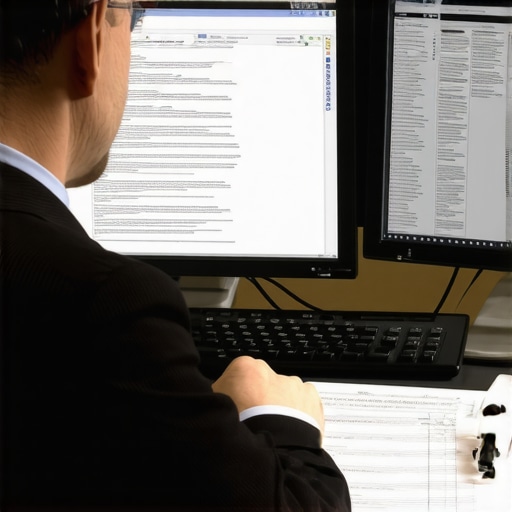
The Cold Reality of Digital Evidence in Divorce Litigation
I smell like strong black coffee because I have spent the last six hours reviewing a forensic image of a hard drive that will likely end a twenty-year marriage by noon tomorrow. You think you are hiring a divorce lawyer to argue about who gets the vacation home or the vintage car collection. You are wrong. You are hiring a divorce attorney to manage the fallout of your digital existence. I watched a client lose their entire claim in the first ten minutes of a deposition because they ignored one simple rule about silence and the permanence of a search query. They thought their private life was private. In a divorce, privacy is a luxury you lost the moment you decided to get a divorce. This is not about being intrusive; it is about survival in a courtroom where a single URL can become a smoking gun. If you withhold your browser history from me, I cannot protect you from the version of the truth the opposing counsel is already building. I do not care about your fetishes or your secret fascination with 19th-century poetry. I care about the timestamp on that dating app login and the metadata attached to your offshore banking inquiries.
Digital residue and the death of your alimony
Divorce lawyers and family court judges treat your internet browser history as a primary source of electronic evidence. This data reveals hidden assets, extramarital affairs, and parental fitness issues that can destroy a divorce settlement or child custody case during discovery. The logs do not lie, and they do not forget. When we discuss marital waste, your history of high-end purchases or gambling site visits becomes the focal point of the litigation. While most divorce consultants tell you to scrub your history immediately, the strategic play is often to preserve it under a litigation hold. Wiping your data looks like spoliation of evidence, which is a fast track to a contempt of court charge or a negative inference. A judge will assume you deleted a confession of fraud or infidelity. I need to see what they will see before they see it.
“Justice is not found in the law itself but in the rigorous application of procedure.” – Common Law Maxim
The myth of incognito mode
Incognito mode provides zero protection against a subpoena or a forensic computer expert. Your Internet Service Provider and local device cache still store the metadata and digital footprints that a divorce attorney will use to prove marital waste or undisclosed accounts. Most people believe that closing a private window evaporates the data into the ether. It does not. The DNS cache on your router, the IP logs at the ISP, and the cookies that persist in your system registry tell a story that your testimony cannot contradict. If you are trying to get a divorce without revealing your secret crypto wallet, your browser’s autocomplete entries for Coinbase or Binance will betray you. Forensic tools like Cellebrite or EnCase are standard in high-asset cases. They extract deleted files and orphaned data chunks that you thought were gone forever. My job is to perform a pre-emptive audit of this electronic evidence to ensure we are not blindsided during a mandatory disclosure phase.
Search queries as trial exhibits
Every search query regarding offshore banking, dating apps, or hiding assets serves as direct evidence of intent. In a contested divorce, these logs are used to impeach your testimony and convince the judge that you are acting in bad faith or committing fraud. Imagine standing on the witness stand while a Divorce attorney reads out your 1 AM search for “how to hide money from my wife.” There is no legal maneuver that can undo that level of damage. The American Bar Association notes that ESI, or Electronically Stored Information, has become the dominant form of evidence in domestic relations cases. Your browser history is a roadmap of your state of mind. It shows when you started planning the separation, who you were talking to, and what marital assets you were attempting to siphon off. I need the full history to build a defense for these queries or to find a way to mitigate the prejudicial impact before the trial begins.
Procedural traps in the discovery process
The discovery phase of a divorce allows a Divorce attorney to request Full Browser History through a Request for Production. Failing to provide these logs or using data wiping software can lead to judicial sanctions and a negative inference against your legal position. We follow the Electronic Discovery Reference Model to ensure that all ESI is handled with forensic integrity. If the opposition suspects you are withholding data, they will file a Motion to Compel, which could lead to a court-ordered forensic imaging of every device you own. This includes your work laptop, your personal phone, and even your smart home devices. The procedural leverage gained from a discovery violation can be enough to flip the entire asset division in the other party’s favor. I have seen settlement offers drop by fifty percent the moment a forensic report showed history scrubbing. It is not just about the content; it is about the act of concealment.
“The American Bar Association emphasizes that the duty to preserve relevant evidence arises as soon as a party reasonably anticipates litigation.” – ABA Model Rules of Professional Conduct
Hidden assets and the breadcrumbs of online shopping
Online shopping history and PayPal transactions often lead a divorce lawyer to hidden assets and unreported income. By tracking IP addresses and login locations, an attorney can prove the existence of secret bank accounts or investment properties that were omitted from financial affidavits. If you are claiming to be broke while your Amazon history shows a steady stream of luxury goods sent to an address I do not recognize, we have a problem. Your browser history contains session tokens and site preferences that reveal financial accounts you never disclosed. Even the ads that follow you around the internet are based on your tracking cookies, which can be used to suggest your lifestyle does not match your reported income. This is forensic psychology applied to litigation. We follow the digital breadcrumbs until we find the unreported revenue or the diverted funds. In a high-stakes divorce, your browser history is the most honest financial statement you will ever produce.
Social media overlaps and the browser connection
Social media activity recorded in your browser history serves as a timeline for infidelity or reckless spending. A divorce lawyer cross-references Facebook messages with GPS data and browser cache to build a comprehensive map of marital misconduct that impacts alimony awards. People are remarkably careless when they think they are alone with their screen. They leave tabs open, they stay logged in, and they forget that every interaction is logged. If your browser history shows you were active on Tinder or Ashley Madison while you were supposed to be at a business conference, your credibility is gone. In family law, credibility is the only currency that matters. Once a judge catches you in one lie regarding your digital activity, they will doubt everything else you say about your finances or your parenting. I need your history because I need to know exactly where your reputation is vulnerable. We cannot win a divorce case on lies, but we can win on strategic transparency and procedural excellence.
Legal strategy for the digital age
Digital transparency between a client and their divorce lawyer is the only way to navigate a high-asset divorce successfully. By providing your full browser history, you allow your legal team to prepare for cross-examination and to neutralize incriminating evidence before it reaches the bench. My role is to be your litigation architect. I build the firewall around your legal interests. This requires a forensic audit of your online life. We look for vulnerabilities in your LinkedIn messages, your cloud storage logs, and your browser bookmarks. If there is a ghost in your machine, I need to find it before the opposing Divorce attorney does. Litigation is a game of information asymmetry. The side with the most accurate data and the fewest surprises usually wins. Do not let a forgotten search query from three years ago be the reason you lose your retirement fund or your visitation rights. Hand over the history, tell me the truth, and let me do the legal heavy lifting.
The final word on forensic transparency
Divorce litigation in the modern era is won or lost in the metadata. Your browser history is not just a list of sites; it is a sworn statement of your actions and intentions over the last decade. If you are serious about wanting to get a divorce with your assets and sanity intact, you must be brutally honest with your Divorce attorney. The courtroom is no place for digital secrets. Every deleted link and cleared cache is a red flag to a forensic examiner. We will use expert witnesses to testify on the integrity of your data if we have to, but only if I know what we are defending. The law is cold and procedural. It does not care about your excuses for why you were searching for vacation rentals in non-extradition countries. It only cares about the evidence. Give me the history so I can give you a future.