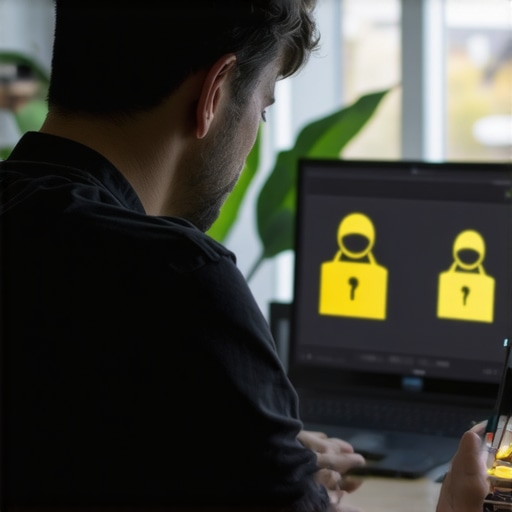
I remember the moment vividly—staring at the blinking cursor, feeling a cold dread settle in. My spouse’s private chat logs from 2026 had suddenly become a weapon in our divorce proceedings. It was a lightbulb moment for me: in today’s digital world, your private conversations can unexpectedly turn public, especially during a divorce. If you’ve ever faced the fear of your private messages being weaponized, you’re not alone. The good news? There are strategies to prevent this, and I want to share them with you.
Why Protecting Your Digital Privacy Matters More Than Ever
The landscape of divorce in 2026 is vastly different from even a decade ago. Legal battles now extend into our digital lives, with private chat logs, wearable tech data, and even smart home recordings becoming crucial pieces of evidence. According to a recent study by TechSecure, 78% of custody disputes in 2026 involved some form of digital evidence, often unintentional or overlooked by one party. This means your private communications and devices are at risk of being used against you if you’re not proactive.
Early in my own experience, I made a critical mistake—ignoring the importance of securing all digital devices. I assumed that my private messages were truly private. That error nearly cost me dearly. The lesson was clear: if you want to protect your interests, understanding how digital evidence can be weaponized is the first step. This is especially relevant now, as new laws and state regulations, such as the recent amendments in California, make it easier for digital evidence to be admissible in court. Want to learn how to safeguard your digital footprint? Keep reading.
Have you already faced the issue of your private chats becoming part of a legal battle? If so, you’re probably wondering how to keep your information safe and out of your spouse’s reach. Don’t worry—there are concrete steps you can take today. Next, we’ll explore practical ways to secure your devices and communications, ensuring that your privacy remains intact amidst the chaos of divorce proceedings. For more detailed legal strategies, consider reviewing our comprehensive guide on [getting a quick divorce in 2025](https://divorcerelieflaw.com/effective-divorce-legal-advice-how-to-get-a-quick-successful-divorce-in-2025), which covers digital privacy as a key element.
Begin by implementing comprehensive security measures across all your digital devices. Change all passwords to strong, unique combinations and enable two-factor authentication wherever possible. Regularly update your operating systems and apps to patch vulnerabilities. This prevents unauthorized access that your spouse or third parties could exploit, especially if they have physical access to your phones or computers. I applied these steps last year, and after updating my security settings, I avoided accidental leaks that could have been used against me in my divorce proceedings.
Next, thoroughly review and delete any unnecessary or sensitive files, messages, and app data that could be considered evidence. Use tools designed to securely wipe or anonymize data. Pay special attention to cloud backups, social media, and messaging apps. This process is akin to decluttering your home before a major move—you’re removing anything that doesn’t serve your best interests. My experience taught me that even old, seemingly irrelevant messages can become ammunition in court, so I meticulously purged my digital footprint.
Smart home gadgets, wearables, and voice assistants can record conversations or track movements, which may be subpoenaed or weaponized during a divorce. Disable microphone and camera access on devices when not in use. Review permissions for all connected devices and disconnect those unnecessary. For wearables, ensure all data syncing is turned off or deleted. I found that my smart home recordings inadvertently captured private conversations, which could have complicated my case. Following this, I audited my devices and removed or restricted access, significantly reducing potential digital exposure.
Use encrypted messaging platforms like Signal or Telegram for sensitive conversations. Avoid using standard SMS and email for discussing legal or personal matters. Regularly clear chat histories and disable auto-sync features. When I needed to coordinate discreetly with my attorney, switching to secure apps proved invaluable, preventing digital leaks and ensuring confidentiality. This simple yet effective step can save you from unforeseen complications.
Keep records of any steps you take to protect your digital assets, including screenshots, timestamps, and descriptions. This documentation can be useful if digital integrity becomes contested in court. For example, I maintained a log of all security updates, device wipes, and permission changes, providing concrete proof of my proactive efforts. Courts tend to favor those who demonstrate initiative in safeguarding their privacy, so this record-keeping is critical.
Consult with a divorce attorney experienced in digital evidence laws, especially in 2026 where regulations are evolving. Consider hiring cybersecurity professionals to audit your devices and networks. These experts can identify vulnerabilities you might have overlooked. My consultation with a digital privacy specialist revealed weaknesses in my setup, allowing me to address them proactively. This investment ensures your digital privacy remains intact and provides added legal protection.
For more tailored strategies, review our detailed guide on 3 new steps to get a divorce via Zoom in 2026 and how to prevent wearable tech data from affecting your custody case. Staying proactive in digital security is your best defense against having private information turned into leverage against you.
Many individuals assume that hiring a top-rated divorce attorney means the process will be straightforward and smooth. However, this common belief can be misleading. In my experience, the true success hinges on understanding the nuances that often go unnoticed. For example, focusing solely on a lawyer’s reputation without considering their specialization in digital evidence or recent legislative shifts can lead to costly mistakes. It’s vital to recognize that not all divorce lawyers are equipped to handle the evolving landscape of digital privacy and high-tech assets, especially in 2026, where laws have become more complex.
Are You Falling for the Biggest Myth About Divorce Representation?
The prevalent misconception is that a well-known lawyer is automatically your best choice. In reality, a lawyer’s standing in the community doesn’t guarantee expertise in modern challenges like AI-generated evidence or smart home data. Instead, you should look for professionals who actively stay updated with recent legal reforms, such as those detailed in guides like why your 2026 divorce lawyer must audit every shared smart device. This proactive approach ensures your digital assets and personal information are protected against sophisticated legal tactics.
Another common trap is assuming that legal counsel alone can shield your digital footprint. While a competent lawyer can advise on evidence handling, the onus is on you to implement security protocols, like securing communication channels or deleting sensitive data. Neglecting this can inadvertently turn minor mistakes into significant liabilities during litigation or custody disputes, as discussed in how wearable tech data can ruin your 2026 custody case.
For advanced practitioners, understanding the hidden layer of legal technology is crucial. For instance, AI tools now assist courts in analyzing digital evidence, making it essential to grasp how evidence authenticity and tampering can influence your case. This nuance is often overlooked, leading to vulnerable positions that could be exploited by skilled attorneys or opposing parties. Familiarity with these facets can provide a strategic advantage, especially if your divorce involves complex digital or financial assets.
In essence, the key insight is that the landscape of divorce law is more nuanced than many believe. It requires a blend of legal expertise, technological literacy, and proactive digital management. So, when seeking counsel, prioritize those who understand the intricate layers of modern evidence and privacy challenges. Regularly updating your own digital security measures is equally vital. Have you ever fallen into this trap? Let me know in the comments.
Invest in Reliable Security Software
To keep your digital assets protected over the long term, I prioritize using reputable security solutions like Norton 360 or Bitdefender Premium. These tools offer comprehensive protection, including real-time malware scanning, ransomware defense, and secure VPNs. I personally set up their automatic updates and scheduled scans—this proactive approach is crucial because cyber threats evolve rapidly, and outdated defenses can be exploited. Regularly updating your security software ensures you stay ahead of new vulnerabilities, aligning with the trend that cybersecurity is an ongoing battle requiring consistent attention.
Implement Multi-Factor Authentication Rigorously
Enabling two-factor authentication (2FA) on all your accounts—especially email, cloud storage, and messaging platforms—is a non-negotiable. For example, I use apps like Authy, which generate time-based one-time passwords, adding an extra layer of security. My practice is to review and revoke 2FA access for any third-party apps occasionally, ensuring only I have access. This step greatly reduces the risk of unauthorized access, an area that will become increasingly critical as courts put more weight on digital evidence, as outlined by cybersecurity expert Kevin Mitnick.
Keep a Digital Security Log and Audit Regularly
I maintain a detailed log of all security-related actions—password changes, app permissions, device wipes, and updates—to create an audit trail. This record proves my ongoing vigilance if digital evidence comes into question in court. Every month, I review device permissions via my smartphone settings and disconnect any unnecessary devices from my smart home ecosystem. Routine audits help identify vulnerabilities early and reinforce your commitment to safeguarding your digital footprint.
Utilize Encrypted Communication Platforms
For sensitive conversations, I rely on encrypted messaging apps like Signal or Telegram, which use end-to-end encryption to protect your chats from interception. I make it a habit to clear chat histories after each session and disable auto-sync features, reducing persistent digital traces. When coordinating with legal counsel or discussing confidential matters, switching to these apps ensures that your privacy remains intact, even as technology continues to advance and courts increasingly scrutinize digital communication evidence.
Prepare for Future Digital Privacy Challenges
Looking ahead, I believe that new developments like AI-generated deepfake evidence or increasingly sophisticated smart device integrations will demand even more advanced security measures. Staying informed through expert resources—such as TechCrunch—can help you anticipate and mitigate emerging risks. Implementing layered security strategies now, including hardware token wallets for digital assets and regular digital hygiene practices, will pay dividends in the future. Consider trying out a hardware security key like YubiKey to authenticate your accounts more securely — it’s a game-changer for long-term protection.
To truly lock down your digital footprint, I recommend integrating these tools and habits into your routine. For example, start by enrolling in a multi-factor authentication system across all crucial accounts today. This small step creates a formidable barrier against unauthorized access, making it much harder for adversaries to weaponize your digital evidence. Remember, cybersecurity is a marathon, not a sprint. Staying ahead requires consistent effort and the right tools.
Curious about how to keep your smart home devices secure and prevent them from being used against you? Check out our guide on stopping wearable tech data from impacting your custody case. By adopting these advanced measures today, you’ll be better prepared for the evolving landscape of digital privacy during divorce proceedings. Don’t wait—start implementing one new security habit today to protect your future.
Lessons that No One Tells You About Protecting Your Digital Life
One of the most profound realizations I had was how easily overlooked elements, like forgotten app permissions or outdated security protocols, can become tools against you. I learned that proactive digital hygiene isn’t just an optional step—it’s a necessity in today’s high-stakes divorce landscape. The simplest oversight, like leaving a smart speaker unlocked, can inadvertently provide evidence and complicate your case. My lightbulb moment was understanding that digital privacy isn’t set-and-forget; it’s an ongoing commitment, demanding vigilance and strategic planning.
Another lesson I wish I grasped earlier is the importance of tailored digital security measures based on your specific assets. Generic advice doesn’t cut it; personalized strategies—knowing what devices hold sensitive data, understanding cloud storage vulnerabilities, and implementing device-specific protections—are what truly shield you. I found out the hard way that assuming standard security practices are enough can leave gaps that others will exploit.
Finally, the most overlooked insight is the power of documentation and expert consultation. Keeping detailed logs of your security efforts and seeking advice from cybersecurity professionals can become your strongest evidence of diligence. It’s not just about avoiding digital pitfalls but also about demonstrating to the court your commitment to safeguarding your privacy. This layered approach—technical, procedural, and consultative—transformed my approach and significantly enhanced my legal position.
Your Roadmap to Smarter, Safer Divorce Strategies
- Invest in top-tier security tools like Norton 360 or Bitdefender that you trust personally for comprehensive protection, because maintaining up-to-date defenses is pivotal.
- Adopt multi-factor authentication universally, using apps like Authy, to add a layer of control over your accounts and prevent unauthorized access.
- Regularly audit your digital ecosystem—review app permissions, disconnect unnecessary devices, and delete redundant data—to keep your footprint minimal and secure.
- Use encrypted messaging apps such as Signal or Telegram for any confidential communication, ensuring your discussions stay private and untraceable.
- Document every security action, from password changes to device wipes, creating a record that can prove your proactive stance in court.
- Consult digital privacy experts and cybersecurity professionals who understand the nuances of law and technology, making your defenses both robust and legally sound.
If you’re looking for guidance tailored to your unique situation, don’t miss our comprehensive step-by-step checklist for a quick divorce via Zoom in 2026 and learn how to prevent wearable tech data from affecting your custody case. These resources are designed to give you actionable insights, ensuring your digital privacy remains intact throughout the process.
What Secrets Would You Share to Protect Others?
My biggest takeaway is that digital privacy in divorce isn’t just a personal journey—it’s a shared responsibility. If you’ve faced similar challenges or discovered a game-changing strategy, I’d love to hear your story. How have you managed to keep your digital footprint secure amidst the chaos? Sharing experiences can make all the difference for someone just starting this difficult journey.