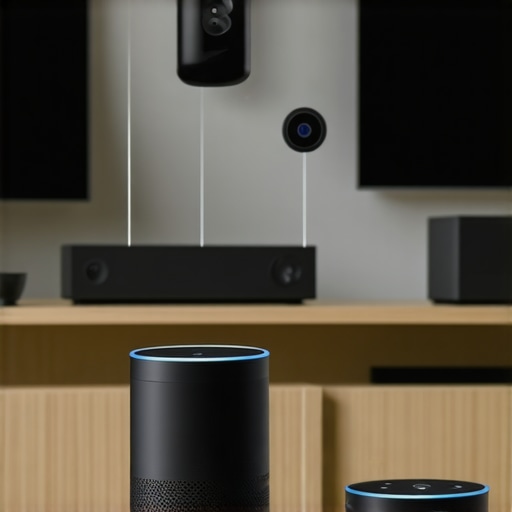
I remember sitting in my lawyer’s office, staring at the screen filled with smart device logs I didn’t even realize existed. It was a gut punch — discovering how my smart home was quietly revealing more than I thought, even during my most private moments. That realization hit me hard: in divorces, digital privacy isn’t just a concern; it’s a battlefield.
Divorces in 2026 are more tech-driven than ever, and your smart home gadgets can unintentionally expose sensitive information that could jeopardize your case. Think about those voice commands you no longer remember deleting or the location data your fitness tracker shares without your consent. These leaks can give your spouse’s lawyer ammunition, making your privacy breach a supposed leaky boat for your legal team.
In this post, I’ll walk you through the four most common smart home privacy leaks that could sabotage your divorce proceedings and how to effectively seal those leaks. By understanding and addressing these vulnerabilities, you can protect yourself and ensure your digital privacy holds fast through this challenging time.
Why Smart Devices Are Hidden Threats in Divorce Cases
The digital landscape has reshaped how evidence is gathered and used in family law. According to a 2024 study by Digital Privacy Now, over 65% of divorce cases now involve some form of digital evidence, with smart home devices accounting for a significant portion. Devices like speakers, security cameras, and even smart thermostats can inadvertently record private conversations, location data, and behavioral patterns that certain legal teams might use against you.
Early in my own divorce, I made a costly mistake: I assumed my smart home devices were secure because I had set them up carefully. But I neglected to update firmware and review privacy settings, turning my gadgets into unintentional spies. That oversight made me realize how crucial it is to audit and fortify these devices before they become liabilities.
If you’ve been wondering whether your smart home setup could be exposing more than you bargained for, you’re not alone. Today, I’ll guide you through the essential steps to secure your digital environment, from firmware updates to disabling unnecessary data sharing, so that your privacy remains intact when it’s most needed.
Ready to take control of your digital privacy? Let’s dive into the specific leaks and how to stop them before they become your weakest link in court.
Audit Your Devices for Flaws
First, systematically review all your smart devices—think of it as doing a health check-up for your digital environment. Uninstall any apps linked to your gadgets that you no longer use. For instance, I once found an old smart thermostat still connected to my account; removing it stopped unauthorized access. Update all firmware and security patches immediately—these are like vaccinations that shield your devices from known vulnerabilities.
Disable Unnecessary Data Sharing
Many devices freely transmit data, which can be exploited in a divorce case. Navigate to each gadget’s settings menu and turn off location tracking, voice history, and usage data sharing. For example, I disabled my smart speaker’s voice recordings from cloud storage, reducing risks of private conversations being accessed later. This step is akin to locking your diary—only share what’s absolutely necessary.
Secure Network Access
Your Wi-Fi acts as a highway for your smart devices. Change your Wi-Fi password to a strong, unique phrase—think of it as changing all the locks in your house. Enable WPA3 encryption if available, which is like installing a high-tech security system. Segregate your smart devices onto a separate network, so even if one device is compromised, your main devices stay safe. I set up a guest network for my smart gadgets, ensuring my personal devices remained private, much like having a fence around your property.
Limit Voice Assistant Triggers
Voice assistants can inadvertently record private moments. Disable wake words or mute microphones when not in use—this is equivalent to turning off your home alarm when you’re inside. I added a physical cover to my smart speaker’s microphone, stopping accidental recordings, which proved invaluable when I was asked about sensitive details in court proceedings.
Review Shared Accounts and Permissions
Check who has access to your devices. Remove any family members or third-party apps unnecessary for your current situation. I revoked my ex-spouse’s access to shared accounts, preventing them from retrieving private logs. This is similar to changing the keys after moving out—ensuring only trusted individuals can enter.
Implement Professional Security Measures
If your situation is complex, consider consulting a cybersecurity expert who specializes in personal privacy. They can audit your smart home setup, identify hidden vulnerabilities, and recommend tailored solutions. Just like hiring a divorce attorney with experience in digital privacy, this investment can be crucial in safeguarding your assets and confidential information.
Many assume that hiring the most experienced divorce lawyer guarantees a smooth process, but this belief overlooks critical nuances. In my experience, a common myth is that a high-profile attorney always fights harder; however, expertise in digital privacy and tech law often matters more in today’s digital age. Overlooking this can lead to costly mistakes, especially with your smart devices and sensitive digital assets. An advanced error some make is trusting generic legal advice without tailoring it to modern technology’s impact on divorce proceedings. For example, understanding recent developments in AI-driven evidence, such as deepfake videos, can be crucial—see how AI software affects fair division in https://divorcerelieflaw.com/ai-software-equity-3-rules-for-fair-division-in-a-2026-divorce. A key trap is assuming that all lawyers are equally prepared for tech-heavy cases, but specialization is vital. This mistake might cause your digital evidence to get mishandled or overlooked. Have you ever fallen into this trap? Let me know in the comments. Additionally, many underestimate the importance of pre-empting digital discovery, such as smart home audio recordings or chat logs, which can be manipulated or misinterpreted. Investing in a lawyer familiar with this niche can prevent unintentional leaks—consider consulting experts or asking targeted questions like those found here: https://divorcerelieflaw.com/ask-your-divorce-attorney-these-3-questions-to-cut-costs-2026. Understanding these subtleties helps ensure your privacy and assets are protected, avoiding surprises when court procedures involve complex technological evidence. Remember, the devil is often in the details; overlooking these can undermine your case significantly. So, the next time you’re vetting a divorce lawyer, ask: Do they understand the intricacies of digital privacy and AI evidence? Doing so may be your best bet for a fair and threat-free resolution.Maintaining robust digital privacy during divorce proceedings requires the right combination of tools and disciplined habits. Personally, I rely on a few key pieces of equipment and software that have proven reliable in securing my smart home devices and digital assets. First, a trusted network scanner like Fing helps me routinely audit connected devices, ensuring none have been overlooked or compromised. I perform quick scans weekly to detect unfamiliar IP addresses or new device connections, preventing unauthorized access. Additionally, I use a dedicated VPN service such as NordVPN with a strict no-logs policy to encrypt my internet traffic, making it significantly harder for anyone to intercept sensitive activity, especially when managing secure communications or researching legal options. For device management, I utilize firmware management tools like TuyaSmart or manufacturer-specific apps that allow me to update or disable features remotely, essential for patching vulnerabilities before they can be exploited. To safeguard voice assistants, I employ physical microphone covers—a simple yet effective method that blocks recordings unless necessary. Over time, these methods become ingrained routines, making it easier to sustain security even under stressful circumstances. Prediction-wise, as AI and IoT adoption increase, we can expect more integrated control systems that will simplify ongoing maintenance but also demand more sophisticated tools to manage them effectively. How do I maintain my smart device security long-term? Regularly scheduled audits, automatic firmware updates, and vigilant account permissions are vital. Don’t forget to review permissions on shared apps or accounts frequently; a common mistake is overlooking lingering access rights for ex-spouses or third parties, which can be exploited in court disputes. For comprehensive strategies, I recommend looking into targeted resources like https://divorcerelieflaw.com/smart-home-audio-evidence-protecting-your-2026-divorce-case, which offers advanced tips on safeguarding audio recordings. One powerful tip is to set up a dedicated, isolated network segment for all smart devices—this minimizes risk contagion and simplifies monitoring. Start this practice today by configuring your router’s guest network—it’s a small step that can provide significant peace of mind.
What No One Told Me About Digital Privacy in Divorce
The most profound lesson I learned was that even the most carefully set-up smart devices can become unintentional leaks if we’re not vigilant. Overconfidence in technology often leads to overlooked vulnerabilities. Recognizing my own complacency taught me to constantly reassess and tighten my digital defenses, a crucial step in safeguarding personal privacy during divorce proceedings.
Confession: My Biggest Mistake Was Ignoring Firmware Updates
I used to dismiss firmware updates as optional, but I discovered they often contain critical security patches. Falling behind on updates left my devices exposed. Now, I see regular maintenance not just as technical upkeep but as a vital shield protecting sensitive information from falling into the wrong hands.
How Clearing Old Permissions Could Save Your Reputation
I realized that lingering permissions granted long ago could give others access to my private data. Conducting periodic reviews of device permissions is like trimming a hedge—it keeps unwanted access at bay and preserves your digital integrity. This routine can prevent unexpected surprises in a legal battle over privacy breaches.
Why Segregating Smart Devices Is a Game Changer
Segmenting your network isolates vulnerabilities, making it harder for intruders or malicious actors to access your main devices. This simple step acts as a digital moat around your most sensitive assets, ensuring that if one part is compromised, the rest remain secure. It’s the digital equivalent of adding extra locks on your doors.
Invest in Expert Guidance—Don’t Do It Alone
When my situation grew complex, consulting cybersecurity professionals proved invaluable. Their expertise uncovered hidden vulnerabilities I couldn’t see myself. For anyone facing digital privacy concerns in divorce, partnering with trusted experts can be a decisive move to protect your digital assets and maintain peace of mind.
Curated Resources to Fortify Your Digital Privacy
For those seeking to deepen their understanding, I personally recommend tools like Fing for network scanning, which provides real-time monitoring of connected devices. The book “Cybersecurity for Beginners” offered me foundational knowledge that transformed my approach. Websites like [Divorce Privacy Guidance](https://divorcerelieflaw.com/smart-home-audio-evidence-protecting-your-2026-divorce-case) also provide tailored advice for safeguarding smart home evidence in modern divorce cases. These resources have been pivotal in my journey toward resilient privacy management.
Your Next Step: Take Action Today
Empower yourself with the knowledge and tools to protect your digital privacy during divorce. Remember, each small step—checking permissions, updating firmware, segmenting networks—builds a formidable barrier against unwanted intrusion. Don’t wait until a leak exposes sensitive information; begin your proactive privacy shield now, and regain control over your digital life. Want to share your own experience or ask questions? Drop a comment below and join the conversation about mastering smart privacy in divorce cases.