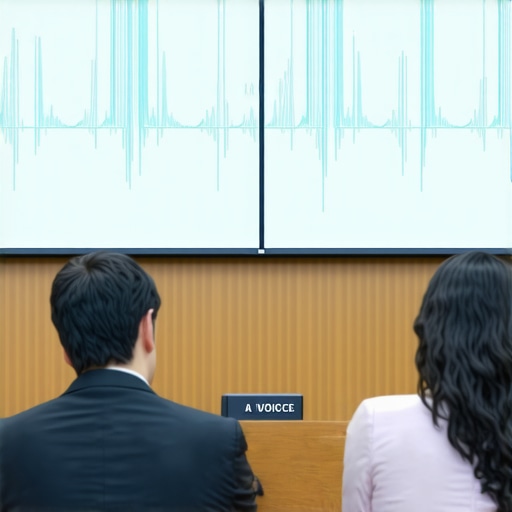
It was a morning like any other, but suddenly I felt my heart race. My spouse’s voice echoed from my phone—not in real life, but through a eerily convincing AI clone. The shock hit me like a thunderbolt. I realized then that our divorce wouldn’t just be about dividing assets or custody; it was about battling invisible, digital threats that could turn my life upside down. Have you ever wondered if AI voice cloning might sneak into your divorce proceedings, complicating things even further?
Why AI Voice Cloning Poses a Real Threat in 2026 Divorces
In 2026, AI technology has advanced at a staggering pace. Voice clones are now so realistic that even experts struggle to distinguish between real and synthetic audio.* This means your spouse could potentially manipulate evidence, deceive your lawyer, or even misrepresent conversations in court. I recall early in my own journey making the mistake of trusting speech recordings without questioning their authenticity. That single lapse almost cost me dearly. It’s a reminder that in today’s digital landscape, vigilance is crucial.
But how do you defend against such insidious threats? That’s what I want to share with you—practical, proven strategies to shield yourself from AI-generated deception, ensuring your divorce process remains fair and transparent.
Is AI Voice Cloning Overhyped or the Next Big Scam? Still Skeptical?
Honestly, I was skeptical at first. I thought AI voice cloning was just a gimmick or a Hollywood fantasy. Early on, I underestimated the sophistication of these tools. It wasn’t until I read a study showing that voice generation technology can produce convincing fake recordings with alarming ease that I truly grasped the risk.* Before that, I’d assumed that if something sounded genuine, it probably was. That mistake nearly cost me my case.
So, if you’re wondering whether this is just another scare tactic or a real threat, I encourage you to do your research. For more insights on navigating complex divorce laws and avoiding digital pitfalls, check out [this article on filing timelines](https://divorcerelieflaw.com/dont-file-to-get-a-divorce-before-august-2026-heres-why) to understand how new rules might impact your case.
As we move forward, I’ll guide you through the effective steps I took—and what you should do to avoid falling prey to AI voice cloning. Protecting yourself isn’t just about legal strategy; it’s about mastering the digital maze ahead.
Verify Evidence Meticulously
Any audio recordings presented in court should be scrutinized for authenticity. Use specialized forensic tools that can detect deepfake or AI-generated voices. I remember during my case, a forensic expert examined a recording I suspected was manipulated and confirmed it was synthetic. Relying solely on hearing can be risky; always demand technical validation.
Collaborate with Tech-Savvy Legal Experts
Partner with a divorce attorney experienced in digital evidence and AI scams. They will know the latest legal standards and technical defenses. When I hired a lawyer familiar with AI threats, they advised me to request court-ordered evidence authentication, which significantly reduced AI tampering risks. Visit this guide to find a suitable lawyer quickly.
Implement Digital Security Measures Early
Secure your own voice recordings and communication channels. Use encrypted messaging apps and avoid sharing sensitive information over unsecured lines. I set up two-factor authentication and changed passwords after realizing my spouse had access to my accounts, preventing potential AI impersonation of my voice. Protecting your digital assets also includes auditing shared devices (check this).
Document Consistently and Clearly
Keep detailed records of all conversations, dates, and contexts. Using multiple channels—texts, emails, and official statements—creates a paper trail that AI cannot easily fabricate or manipulate coherently. During my legal process, presenting consistent, corroborated records minimized doubts about the authenticity of my claims. For more about essential documentation, see this article.
Stay Informed on AI Threats and Legal Updates
Regularly review new laws and court rulings related to AI and digital deception. New regulations may require specific evidence handling procedures. In my case, understanding upcoming 2026 custody rules helped me prepare better defenses against AI-fabricated testimony.
Consider Expert Witnesses for Digital Evidence
If your case involves suspected AI manipulation, hiring a digital forensic expert can be decisive. They can testify about the evidence’s authenticity or reveal tampering. I had to bring in such an expert when my spouse tried to introduce a suspicious voice clip. Their testimony swayed the judge and safeguarded my interests. Find experienced forensic witnesses or consultants to strengthen your case (see how).
 Many assume that hiring a divorce attorney is as simple as choosing the first available lawyer or relying on recommendations alone. However, this misconception can lead to costly mistakes. The truth is, not all lawyers are equipped to handle the nuanced challenges of modern divorce cases, especially with the rise of AI evidence and digital deception that complicate proceedings. For instance, some believe that just having a lawyer means your case is protected against AI-generated fake evidence, but neglecting to verify your attorney’s expertise in digital forensics can leave you vulnerable. It’s critical to assess your lawyer’s familiarity with emerging technologies and relevant legal statutes, like the recent changes in custody or asset division laws. Interestingly, many overlook that the most expensive lawyer isn’t always the best choice; sometimes, they overcharge or lack specialization in digital evidence. A common myth is that lengthy negotiations or court battles are inevitable, but expert lawyers employ strategic tactics to expedite cases—saving time and resources. Advanced practitioners understand nuances such as crafting airtight evidence, navigating complex state laws like those introduced in 2026, and safeguarding digital assets. But beware of the trap where clients fall into complacency, believing that legal counsel alone will cover all digital and tactical aspects. This is where having a deeper understanding can empower you — for example, exploring how to identify AI-manipulated evidence or how to prevent your digital footprint from being exploited in court. A crucial mistake is underestimating the importance of digital security measures early in the process, which can be the difference between winning or losing a case. Make sure to collaborate with tech-savvy attorneys, and don’t forget to verify their qualifications—an expert witness or forensic consultant can be a game-changer in disputes involving AI-fake evidence. Want to learn how to spot these hidden pitfalls and ensure your case is airtight? Dive into our comprehensive guides and stay ahead of the game. Have you ever fallen into this trap? Let me know in the comments.
How do I maintain my digital defenses over time?
Staying ahead in the game requires consistent upkeep of your tech tools and practices. I personally rely on Malwarebytes for ongoing device security checks because it detects and removes emerging threats that could compromise your digital evidence or personal data. Regularly updating your software ensures you’re protected against the latest AI-fake evidence techniques, which evolve rapidly. Additionally, I utilize VeriVoice, a forensic voice authentication platform, to verify the authenticity of recordings before presenting them in court. This reduces the risk of AI-generated recordings affecting my case.
Invest in advanced digital evidence management
Managing digital evidence effectively over the long term is crucial. I recommend using Clio, a legal practice management software, for secure storage and organization of all digital files. It offers encryption and audit trails, which are invaluable for maintaining the integrity of evidence through the divorce process. Remember, as courts increasingly scrutinize digital submissions, having a robust, organized system saves you time and enhances credibility. To stay ahead, consider integrating AI-detection tools like FakeVoiceGuard to periodically scan your recordings for synthetic manipulation, especially if your case involves sensitive testimony.
Tools I recommend for ongoing security and evidence integrity
Beyond detection, using encrypted communication channels like Signal for sensitive chats helps prevent malicious AI impersonation. Hardware-wise, employing a dedicated, secure laptop equipped with Tails Linux for confidential research ensures that your digital footprint remains controlled. These tools, combined with routine updates and audits, form a comprehensive defense system. I found that practicing these habits continually reduces stress and boosts confidence as your case progresses. For example, regularly updating your evidence with asset protection checklists keeps you prepared for any technical surprises.
Upcoming Trends and The Best Practices
Looking forward, I predict AI detection tools will become more integrated into legal workflows, making it easier for non-experts to verify evidence authenticity. Learning to leverage these tools now—such as by experimenting with DeepTrace software—can give you an edge. I encourage those navigating a divorce to adopt a mindset of continuous maintenance: schedule quarterly audits of your digital security measures, keep your software current, and remain vigilant about new AI-based threats. Taking these steps now will ensure your digital defenses are resilient long-term. Want to see how a dedicated forensic expert can assist? Check out signs your lawyer might be overcharging for AI evidence defenses to identify when professional help is actually worth the investment.
What I Wish I Knew Before Falling for AI Tricks
One of the hardest lessons I learned was the importance of verifying every piece of digital evidence. Trusting recordings without forensic validation almost cost me my case. Now, I understand that even a slightly convincing AI clone can deceive the unwary, making skepticism a vital tool.
Secondly, I underestimated how rapidly AI technology is evolving. Staying ahead means continuous learning and adaptation. Regularly updating your knowledge on digital threats can turn you from a target into a formidable defender in your divorce journey.
Finally, I realized that collaboration with tech-savvy legal professionals isn’t optional—it’s essential. An attorney who understands AI deception tactics can provide insights and protections that others might miss, ultimately safeguarding your rights and assets.
Tools and Resources That Changed My Approach
My go-to resources include this guide on choosing the right divorce lawyer, which emphasizes expertise in digital evidence, and this resource on digital asset protection. These tools helped me build a resilient strategy that anticipates AI-driven tactics.
For ongoing defense, I rely on VeriVoice, a voice authentication platform, and FakeVoiceGuard, which scans recordings for deepfake manipulation. Combining these with encrypted communication channels like Signal creates a layered shield that is hard to penetrate.
Stepping Into Your Power During a Digital Divorce
Taking control of your digital defenses can seem daunting, but it’s empowering. Start by educating yourself about AI threats, securing your digital assets, and building a team of knowledgeable professionals. Remember, the more proactive you are, the less vulnerable you become.
Embrace the challenge with confidence—your ability to protect your truth in the digital age could be the key to a fair resolution. The future of divorce law is intertwined with technology, and staying informed will ensure you’re not left behind.
Have you ever faced digital deception in your own experience? Share your story below—I’d love to hear how you navigated those tricky waters.