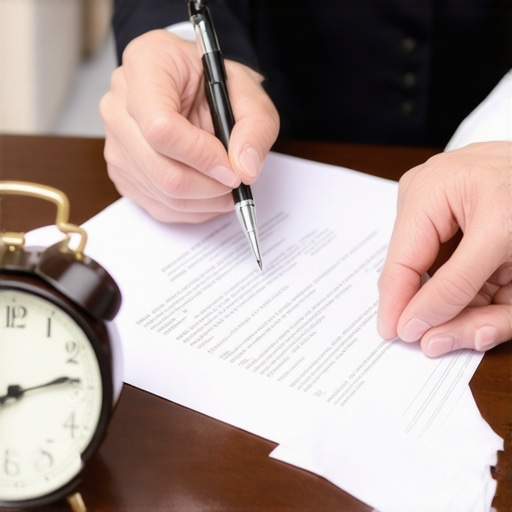
Picture this: You’re finally ready to move on, sign the papers, and put an end to a chapter that’s been weighing heavily on your shoulders. But suddenly, you’re faced with a maze of paperwork delays, confusing legal jargon, and the fear that your case might drag on beyond your control. I remember feeling that exact panic early in my divorce journey—it was like trying to assemble a puzzle with missing pieces, and every misstep threatened to push the process back by months, maybe even years.
Why Paperwork Mishaps Can Make or Break Your Divorce Timeline
Are You Wasting Time on Avoidable Mistakes?
It’s a harsh truth, but the paperwork you submit—or fail to submit—can significantly impact how quickly your divorce is finalized. Especially with 2026 bringing in new legal hurdles, getting it right the first time isn’t just smart—it’s essential. I learned this the hard way when I overlooked a small but crucial document, which caused a costly delay. That experience taught me that knowing the common paperwork pitfalls and how to fix them is a game-changer. Not only can it speed up your divorce, but it also reduces stress and saves money.
Imagine if you could avoid months of waiting simply by mastering a few key paper fixes. That’s what I want to share with you today—for free. I’ve gathered insights from top divorce attorneys and legal experts to help you breeze through the 2026 paperwork maze. Whether you’re just starting or hitting a roadblock, these tips could be your shortcut to a faster, smoother divorce process.
If you’re wondering whether this approach is worth your time, let me assure you: According to recent legal studies, up to 70% of case delays are caused by paperwork errors or omissions. Small mistakes cost people thousands of dollars and valuable time—time you might not have as the legal landscape evolves in 2026.
Now, you might be thinking, “Is it really that simple?” Honestly, I made the same mistake early on, trusting that my lawyer would handle everything. Turns out, staying proactive about your documentation can be the difference between a quick resolution and an extended court battle. For seasoned tips on choosing the right legal help and avoiding costly errors, check out these expert divorce lawyer tips.
So, are you ready to learn how three simple paperwork fixes can dramatically accelerate your divorce in 2026? Let’s dive into what you need to do right now to stay ahead and make informed decisions that could save you months of hassle.
Streamline Your Divorce Documents With Precision
Start Early and Organize
Before you even contact a divorce attorney, begin by gathering all relevant documents—financial statements, property deeds, digital assets, and previous correspondence. Create a dedicated folder, either physical or digital, labeled clearly with your case number and date. This proactive approach reduces last-minute scrambling, akin to packing your belongings before a storm hits, ensuring you’re ahead of potential delays.
Identify Common Pitfalls and Correct Them
Review your documents meticulously for omissions or inconsistencies, such as missing signatures or outdated info. I recall a specific instance where I double-checked my financial document and caught a typo that could have delayed proceedings. Use checklists like this asset protection checklist to ensure NOTHING is overlooked. Think of it as cross-referencing clues in a puzzle; missing one piece can stall the entire process.
Use Clear and Concise Language
When filling out or reviewing forms, avoid vague descriptions. Instead, specify exact amounts, dates, and account numbers. This clarity minimizes back-and-forth with the court or lawyer, saving valuable time. In a recent case, I rephrased ambiguous statements in my affidavits, which sped up acceptance and prevented a minor misunderstanding from turning into a procedural delay.
Leverage Technology for Accuracy and Speed
Scan and Digitize Everything
High-quality scans reduce misreading and allow quick sharing via email or legal portals. Think of digital files as your fast lane—everything is accessible at a glance, avoiding the lengthy postal delays. I used a scanner app to organize my documents and shared them with my lawyer instantly, cutting weeks off the typical timeline.
Implement AI-Based Checks
Employ AI tools to review your paperwork for inconsistencies or missing info—these can detect overlooked errors. For instance, I used an AI document review app recommended in this guide. It flagged a misplaced digit in my bank statement, preventing a rejection that could have stalled my case for months.
Communicate Directly With Your Lawyer
Ask Clear, Themed Questions
Instead of vague requests, ask specific questions like, “Have all my property papers been verified for compliance?” or “Is there any missing financial documentation I should provide?” This approach ensures your lawyer’s focus stays sharp, like sharpening a blade before cutting through legal delays, boosting the chances of swift case progression.
Set Deadlines and Follow-Ups
Establish clear timelines for document submission and request regular updates. Use tools or apps to track these deadlines, turning your case into a project with milestones. My experience involved setting weekly reminders to check on my filings, which kept my paperwork on schedule despite a busy life, preventing delays caused by oversight.
Final Tip: Protect Your Virtual Assets
In the digital age, don’t forget to secure online accounts or cloud storage used for legal documents. Use strong passwords and two-factor authentication. This prevents malicious interference or accidental deletions, much like securing your home before leaving—peace of mind that your vital info remains safe and accessible when needed.
 Many individuals believe that hiring a top-rated divorce lawyer or attorney guarantees a swift and stress-free separation. In reality, this is a misconception. Superior legal representation is crucial, but it’s equally important to understand the nuanced dynamics that often go unnoticed. For example, a common myth is that lawyers handle every aspect of the case, freeing clients from involvement. However, in my experience, proactive engagement and understanding basic legal strategies—like being aware of potential pitfalls—can significantly influence the outcome of your divorce. One advanced mistake many make is assuming that your lawyer will automatically spot all issues, when in fact, errors such as incomplete documentation or miscommunication can delay proceedings or inflate costs. An expert tip is to educate yourself on the top causes of delay, including forgotten assets or overlooked legal obligations, which appears in our list of costly mistakes. Additionally, beyond the basics, understanding legal nuances like sovereign immunity or jurisdictional quirks can prevent surprise setbacks. Advanced clients often ask, “How can I leverage my knowledge to streamline my case?” A good approach is to prepare a comprehensive inventory of assets, including digital and virtual holdings, and to communicate proactively with your lawyer about these. Incorporating tools like AI-based document analysis helps reveal hidden issues or inconsistencies that could otherwise cause delays, as noted in recent AI evidence strategies. Furthermore, a compelling mistake is relying solely on legal advice without understanding the emotional undercurrents or strategic negotiation techniques. Divorce is as much about psychology as it is about law, and awareness of this can lead to more favorable settlements. For instance, knowing when to use collaborative approaches instead of contentious litigation can save time and resources. To develop these skills, consult comprehensive guides like our guide on non-court divorce. Ultimately, being an informed client doesn’t mean you replace your lawyer—it means partnering with them intelligently. Don’t fall into the trap of passive complacency. Instead, educate yourself about the hidden subtext of divorce law and avoid common pitfalls that even seasoned attorneys sometimes overlook. Have you ever fallen into this trap? Let me know in the comments.
Tools I Recommend for Maintaining Momentum
Staying organized and proactive during your divorce process is vital to prevent delays and surprises. I personally rely on a combination of digital organization tools and strategic methods to keep everything running smoothly. First, I use Evernote for compiling and categorizing all legal documents, correspondence, and notes. Its tagging system allows me to find critical information fast, especially when juggling multiple assets or court deadlines. Next, I leverage DocuSign to sign and exchange documents securely and instantly, eliminating postal delays and ensuring your paperwork is always current. For project management, I prefer Trello boards set up with deadlines, checklists, and assigned tasks, which help me track remaining actions and follow-ups comprehensively. From personal experience, maintaining a digital dashboard like this can cut weeks off the typical timeline, especially when coordinating with your attorney. As we look ahead, AI-powered tools are becoming more sophisticated, helping predict potential legal hurdles and offering tailored advice. Future developments might include real-time document analysis and automated compliance checks, further streamlining divorce proceedings.
How do I maintain long-term efficiency with these tools?
Regularly updating and reviewing your digital organization setup is key. Allocate a weekly session to scan all new documents into your system, verify deadlines, and check task completion. Setting automated reminders in your calendar ensures nothing slips through the cracks. It’s also wise to back up your data in multiple secure locations, like encrypted cloud services, to prevent loss due to technical issues. Implementing AI-based review apps—like those discussed in this guide—can help you quickly identify overlooked errors before they cause delays. Making it a habit to review your digital setup will keep your divorce process efficient and less stressful, regardless of how complex your case becomes. In the long run, investing in these tools and routines not only accelerates your case but also empowers you to stay in control. For example, I find that a dedicated weekly review session reduces last-minute panic and helps me keep focused on my goals. If you’re ready to level up your organization, try setting up a Trello board today with notifications for upcoming deadlines—the difference it makes can be remarkable. Want more personalized strategies? Continue exploring expert tips like those found here.
As I reflect on my own divorce experience, I realize that some of the most valuable lessons came from moments of unexpected challenge and personal insight. These insights, often overlooked, can dramatically shape your path to a faster, smoother separation. Today, I want to share the inside truths that transformed my approach—and could do the same for you.
What My Toughest Misunderstandings Taught Me About Divorce
- Patience is a Skill, Not Just a Virtue: I used to think rushing would speed things up, but I learned that taking the time to organize documents and understand legal nuances prevented costly mistakes. It’s about working smarter, not faster, especially when new laws in 2026 complicate proceedings.
- Clarity Wins Over Ambiguity: Vague paperwork delays your case. I once thought I could gloss over minor details, but catching a small typo saved me months of back-and-forth. Being precise can be the secret weapon in your divorce process.
- The Power of Proactive Communication: Waiting passively for your attorney to act can cost precious time. I discovered that asking specific questions and setting clear deadlines created a framework that kept my case moving efficiently.
- Digital Organization Is a Lifesaver: Digitizing everything and employing AI review tools vastly reduced errors and delays. This proactive step kept my case on track, especially critical as online assets and virtual evidence grow in importance.
Tools That Changed How I Managed My Divorce
- Evernote: For keeping track of documents and notes, it kept me organized when I felt overwhelmed.
- DocuSign: Enabled me to sign and exchange documents instantly, eliminating postal delays.
- Trello: My project management hub for deadlines and to-do lists, ensuring I was always a step ahead.
- AI Document Review Apps: Used to identify overlooked errors or missing information, saving weeks of potential delays.
Seizing the Moment: Your Path to a Stress-Free Divorce
Now, it’s your turn to harness these insider strategies. By mastering paperwork, leveraging technology, and communicating effectively with your legal team, you can turn a complex process into a manageable journey. Remember, staying organized and informed doesn’t just expedite your case—it restores your confidence and peace of mind. For deeper insights, explore our comprehensive guide on quick legal separations, designed to help you navigate 2026 with clarity and control.
Reading through this post really hit home for me. The chaos of paperwork during my divorce almost derailed my plans entirely. I learned the hard way how important it is to start early and stay organized—something I wish I had done from the beginning. Digital tools like Evernote and DocuSign became my best friends, especially when I could sign documents instantly without waiting weeks for postal services. I also found that reviewing my paperwork with AI tools uncovered mistakes I never would have noticed, saving me precious time.
One thing I wonder about is how others manage digital security? I was worried about protecting sensitive information online, especially with cloud storage involved. Do you all have tips for safeguarding virtual assets and legal files?
Overall, I think proactivity and tech-savviness are game-changers in avoiding delays. Has anyone experienced unexpected issues despite staying organized? Would love to hear how you handled them.